9 Powerful Insights on Why Businesses Outgrow IT Park Cebu (2026 Guide)

Businesses outgrow IT Park Cebu more often than most founders expect, and not because IT Park suddenly stops being valuable. In many cases, the opposite is true. The company itself evolves faster than the environment around it. At the beginning, IT Park feels like the obvious strategic decision. It sits at the center of Cebu’s business ecosystem, offering reliable infrastructure, strong internet connectivity, access to talent, and a recognizable business address that immediately adds credibility. For startups, BPOs, and scaling teams, moving into IT Park feels like a milestone. It creates the sense that the company has officially “arrived.” And during the early stages of growth, that decision usually works exactly as intended.
Teams settle into a rhythm. Operations become more structured. There’s a certain energy that comes from being surrounded by other companies actively building, hiring, and expanding at the same time. The environment feels ambitious and fast-moving, which naturally motivates teams to push harder. For many businesses, those first months inside IT Park feel validating because the location reflects the image they want the market to see.
But growth changes business needs quietly. At first, the changes are subtle. Six months in, the setup may still feel efficient. A year later, however, small inefficiencies begin to surface. Costs rise faster than expected. Office space becomes either too crowded or strangely underutilized. Hiring structures evolve. Hybrid work setups become more common. Operational priorities shift. And eventually, the workspace that once felt like the perfect fit starts feeling restrictive instead of enabling.
This is usually the moment businesses outgrow IT Park Cebu. The internal conversation changes from “This is where we should be” to “Does this environment still support the way we operate today?” That distinction matters because scaling companies no longer evaluate office space based purely on prestige or location. They start evaluating flexibility, operational efficiency, scalability, and long-term cost sustainability.
According to a report by JLL, companies that regularly reassess their workspace strategy during periods of growth can reduce real estate costs by as much as 30% while simultaneously improving operational efficiency. That’s not just a financial advantage. It’s a strategic one. Businesses outgrow IT Park Cebu not because the district loses relevance, but because the operational model that once supported the company eventually stops matching the speed and complexity of how the business now functions.
What worked while building the foundation of the company does not always work during aggressive expansion. The structure that once created stability can eventually create rigidity. The office that once helped teams move faster can slowly become another layer of operational friction. And that is the reality more companies are beginning to recognize. Businesses outgrow IT Park Cebu when the workspace stops adapting at the same pace as the business itself.
1. Businesses Outgrow IT Park Cebu When Costs Stop Matching Value
At the start, the cost of being in IT Park feels justified. You’re paying for convenience, credibility, and access.
But over time, that equation starts to break.
Rent increases. Service charges stack up. Utilities climb—especially with Cebu’s high electricity rates. What looked like a manageable monthly expense becomes a significant portion of your operating budget.
The problem isn’t just the price. It’s the return on that price.
When businesses outgrow IT Park Cebu, it’s often because they realize they’re paying premium rates for benefits they no longer fully utilize. The address still matters—but not enough to justify the cost difference.
Smart companies start asking a different question:
If we relocate, can we maintain operational quality while improving financial efficiency?
More often than not, the answer is yes.
According to global research from JLL, companies that actively reassess their workspace strategy can reduce real estate costs by up to 30% while improving overall efficiency.
👉 https://www.jll.com/en/trends-and-insights/workplace
2. Businesses Outgrow IT Park Cebu When Flexibility Becomes a Priority
Growth is unpredictable. That’s the reality.
One quarter, you’re hiring aggressively. The next, you’re restructuring. Some roles go hybrid. Others become fully remote. Team sizes fluctuate.
Traditional office setups in IT Park aren’t designed for this kind of movement.
Leases are fixed. Space is fixed. Terms are fixed.
And that’s where friction starts.
Businesses outgrow IT Park Cebu when they realize that flexibility isn’t a luxury—it’s a requirement. According to CBRE, companies using flexible workspace models experience significantly lower financial risk during growth transitions.
Instead of adjusting the space to fit the business, companies end up adjusting the business to fit the space.
That’s when it stops making sense.
A report by CBRE shows that companies using flexible workspace models reduce financial risk and improve operational agility during growth phases.
👉 https://www.cbre.com/insights/reports/flexible-office-trends
3. Businesses Outgrow IT Park Cebu When Space Stops Scaling With Them
Space planning is one of the most underestimated challenges in scaling.
You either:
- Outgrow your office too fast
- Or overpay for space you’re not fully using
Both scenarios cost you.
Businesses outgrow IT Park Cebu when physical space becomes a constraint instead of an enabler. Fixed offices don’t expand when your team grows. They don’t shrink when your structure changes.
And in fast-moving industries, that mismatch creates operational inefficiencies that compound over time.
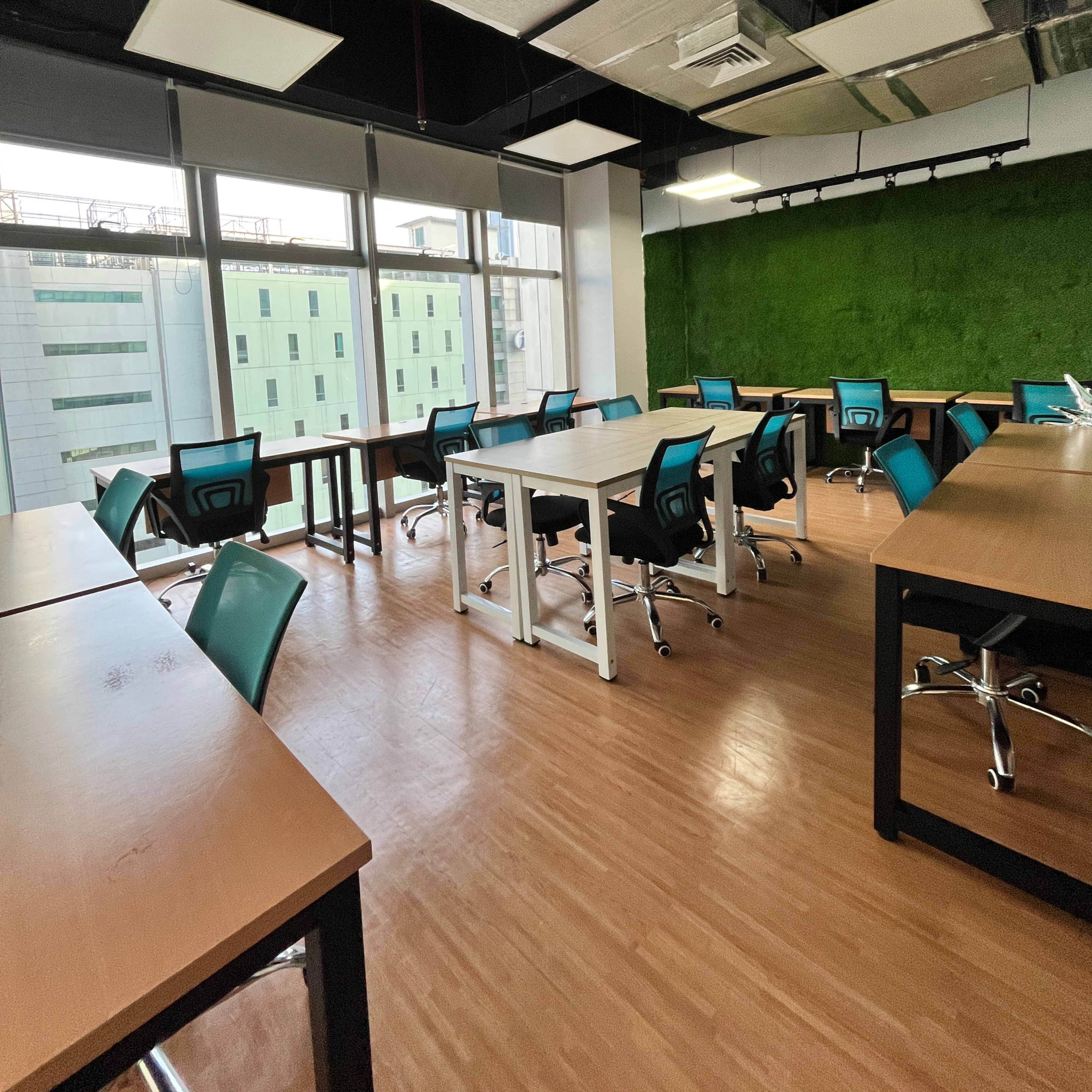
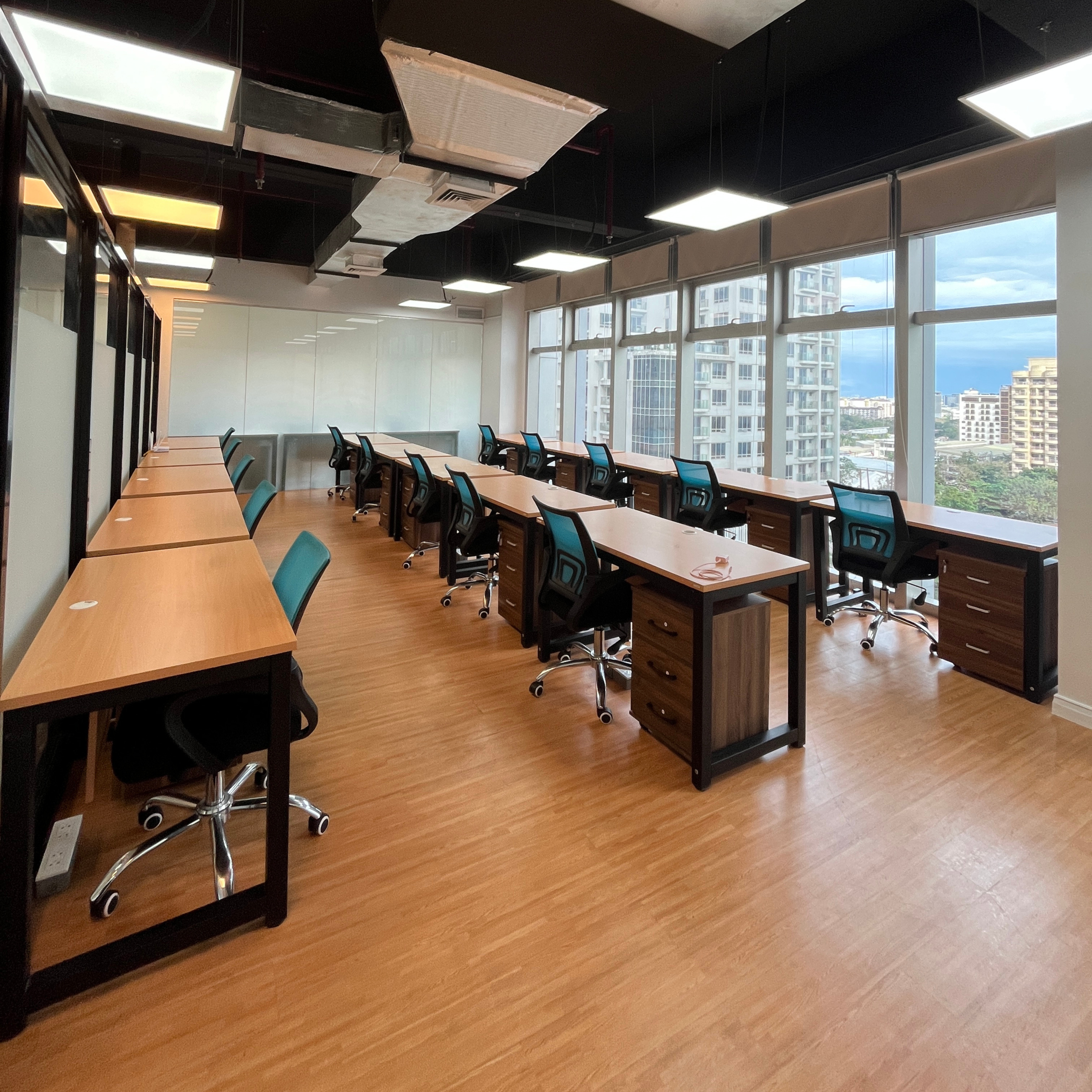
4. Businesses Outgrow IT Park Cebu When Work Models Change
Hybrid work is no longer a trend. It’s the default.
Teams are no longer operating in a 100% in-office setup. Meetings are digital. Collaboration happens across time zones. Output matters more than presence.
But traditional office environments are still built around old assumptions.
Businesses outgrow IT Park Cebu when their workspace no longer reflects how their team actually works. Empty desks during peak lease periods. Crowded days during team syncs. A layout that doesn’t match real usage patterns.
The disconnect becomes obvious—and expensive.
If you’re evaluating this shift, this guide on startup-friendly environments in Cebu breaks it down further:
👉 https://thecompany.ph/startup-office-cebu
5. Businesses Outgrow IT Park Cebu When Talent Expectations Evolve
The workforce has changed.
Top talent today doesn’t just look at salary. They look at environment. Experience. Flexibility. Culture.
A rigid office setup in a high-cost district isn’t always attractive anymore.
Businesses outgrow IT Park Cebu when they realize their workspace is no longer a competitive advantage in hiring.
According to a PwC workforce survey, employees value flexibility and environment almost as much as compensation. That changes how companies think about space.
Because your office isn’t just where people work—it’s part of why they choose to work with you.
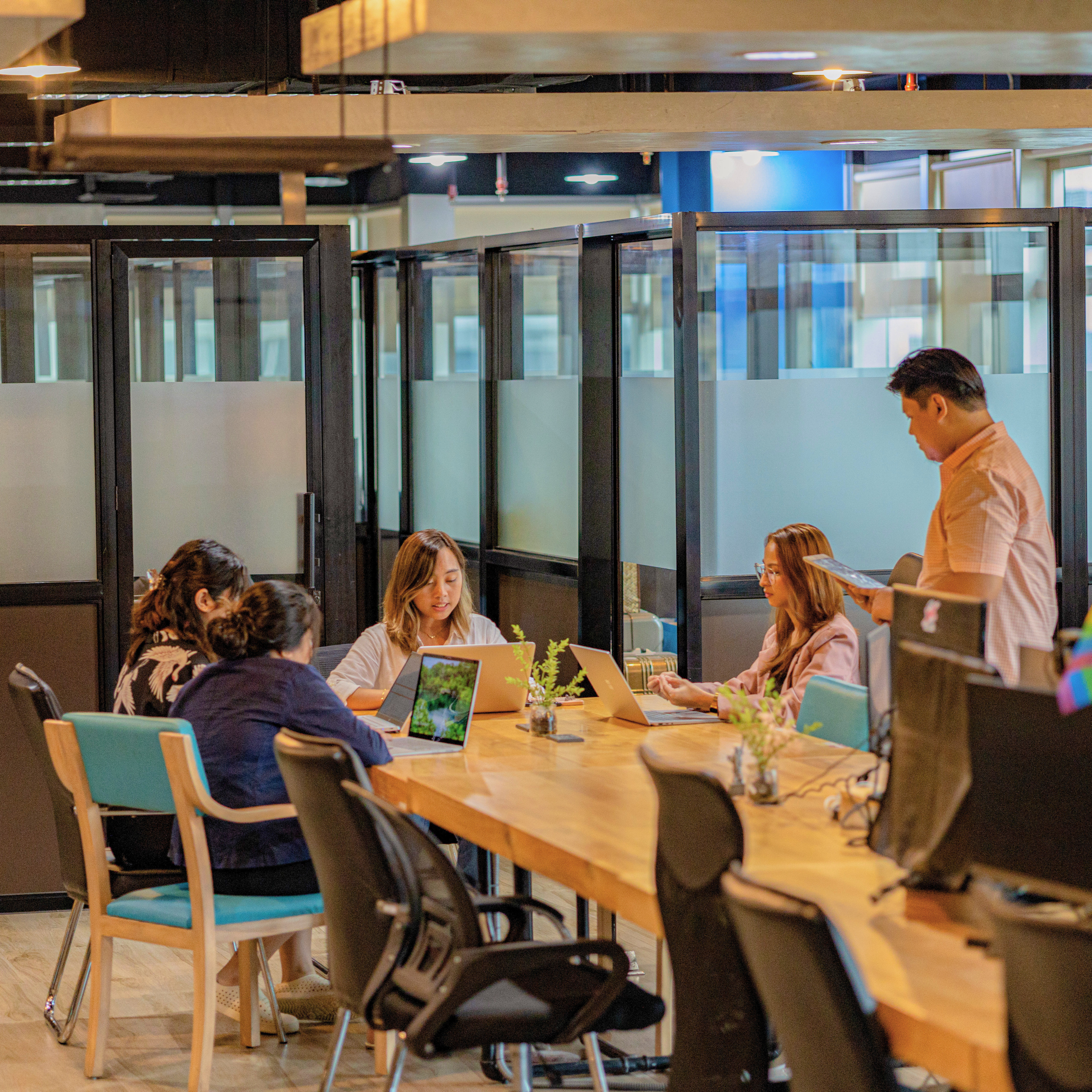
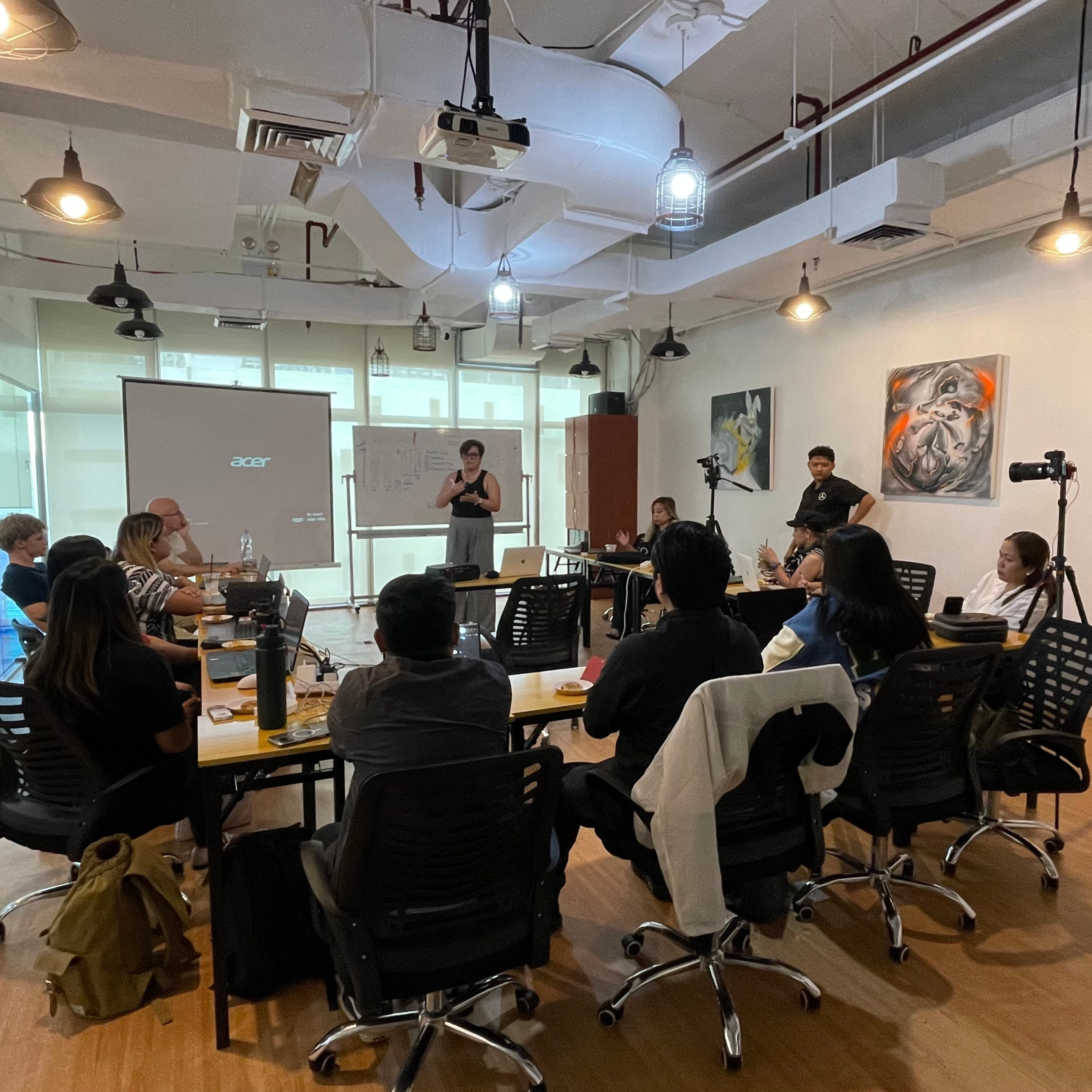
6. Businesses Outgrow IT Park Cebu When Operational Complexity Increases
Running an office isn’t passive.
You’re managing:
- Utilities
- Maintenance
- Internet providers
- Security
- Cleaning
These aren’t growth drivers. They’re operational overhead.
Businesses outgrow IT Park Cebu when leadership starts spending more time managing space than growing the business.
And at scale, that trade-off becomes unacceptable.
7. Businesses Outgrow IT Park Cebu When Location Stops Being a Strategic Advantage
At first, IT Park gives you proximity.
To talent. To clients. To partners.
But as your company matures, your network expands beyond a single district.
Clients don’t care where your office is—they care about results.
Teams don’t need to be centralized—they need to be effective.
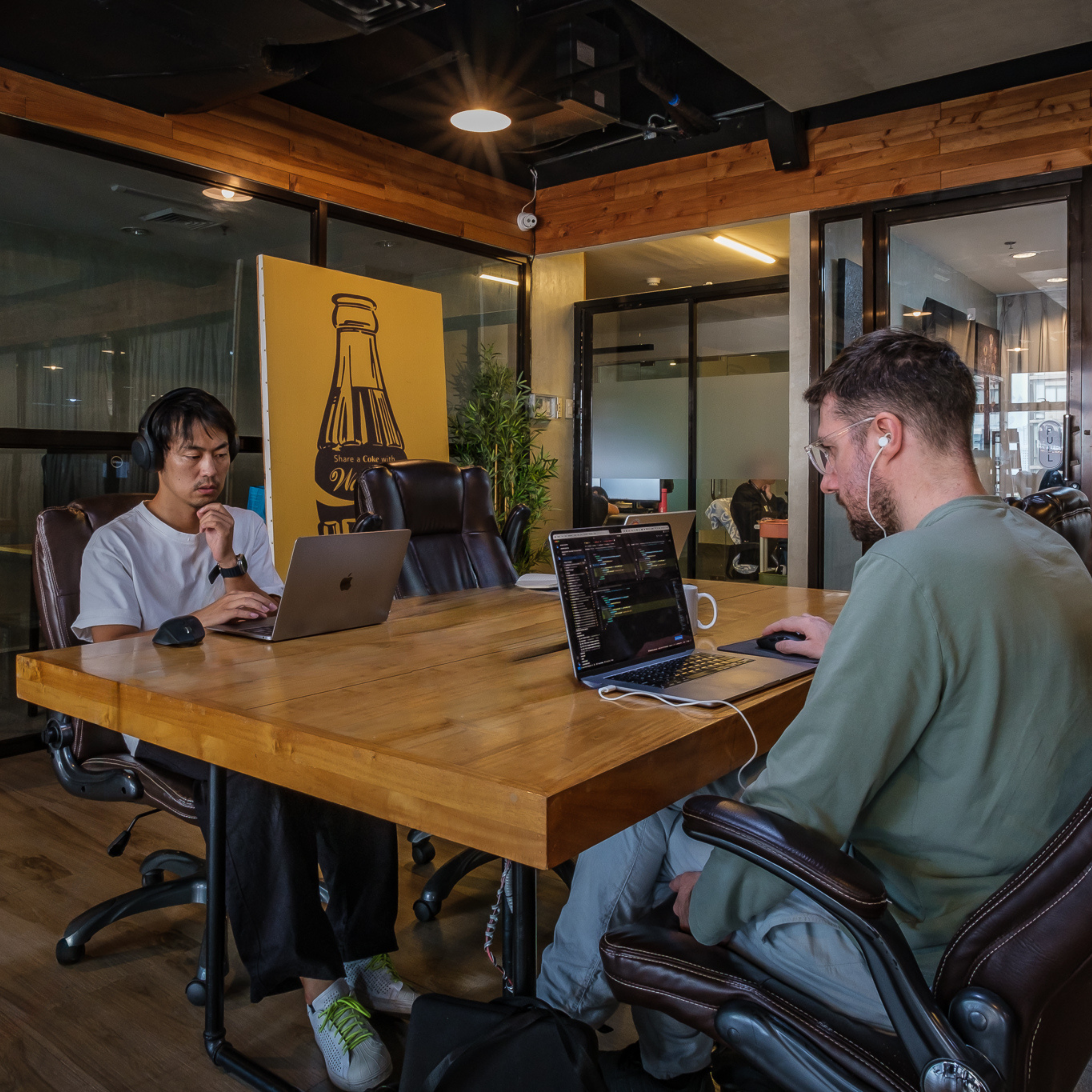
Businesses outgrow IT Park Cebu when location becomes less about access and more about cost efficiency.

8. Businesses Outgrow IT Park Cebu When Financial Strategy Evolves
Early-stage companies spend to grow.
Scaling companies optimize to sustain.
That shift changes everything.
Businesses outgrow IT Park Cebu when they start treating office space as a strategic cost—not just a fixed expense.
According to McKinsey, companies that optimize operational spending during scaling phases outperform competitors in long-term profitability.
Office decisions play a bigger role in that than most realize.
9. Businesses Outgrow IT Park Cebu When Better Alternatives Exist
The biggest reason companies leave isn’t dissatisfaction.
It’s awareness.
Awareness that there are better models.
Flexible workspaces. Managed offices. Hybrid-ready environments.
Businesses outgrow IT Park Cebu when they realize they can get:
- The same infrastructure
- The same professionalism
- The same connectivity
At a fraction of the cost—and with significantly more flexibility.

The Hidden Cost of Slowness
Most companies don’t fail because they made one catastrophic decision. More often, they lose momentum because they move too slowly on the decisions that actually matter. And this is where traditional office setups quietly become a problem. A fixed office creates friction in ways that aren’t immediately obvious at the beginning. Expanding your team suddenly requires physical restructuring. Downsizing doesn’t reduce your monthly overhead. Changing layouts takes additional time, coordination, and expense. Even adapting to hybrid work setups becomes inefficient because the space itself was never designed for flexibility.
Individually, these issues seem manageable. But collectively, they slow a company down. And in industries like tech, BPO, and digital services, speed is no longer just a competitive advantage—it’s survival. The companies that execute faster, adapt quicker, and make operational changes with less friction are usually the ones that pull ahead. This growing need for agility is one of the biggest reasons businesses outgrow IT Park Cebu. What once felt like a strategic long-term office decision can eventually become an operational bottleneck when the workspace itself can no longer move at the same pace as the company.
This is one reason many modern businesses are rethinking traditional office models altogether. According to a report by CBRE, companies that adopt agile workspace strategies improve operational responsiveness by as much as 25%.
👉 https://www.cbre.com/insights/reports/flexible-office-trends
That’s not just a small operational improvement. In fast-moving markets, that level of agility can be the difference between capturing an opportunity at the right moment—or watching a competitor move first. Increasingly, businesses outgrow IT Park Cebu not because the district loses relevance, but because traditional office structures struggle to support modern operational speed.
Why Traditional Offices Struggle With Speed
Traditional offices in IT Park were designed for a completely different era of work—an era where teams stayed relatively fixed, roles changed slowly, and business growth followed a more predictable pace. Companies would sign long-term leases expecting that their operations, structure, and workspace requirements would remain stable for years at a time. That model worked well when businesses operated on linear timelines and physical presence was the default.
But modern companies no longer operate that way. Today’s teams scale rapidly, pivot strategies mid-quarter, and constantly shift between remote, hybrid, and in-office setups depending on operational needs. Growth is no longer steady and predictable—it’s dynamic, fast-moving, and often unpredictable. As a result, the workspace itself has become part of a company’s operational strategy rather than just a physical location.
The problem is that traditional offices were never built for this level of adaptability. Expanding often requires physical renovations. Downsizing still leaves companies locked into fixed overhead. Reconfiguring layouts takes time, approvals, and additional spending. Even something as simple as adjusting to hybrid work setups can become inefficient when the infrastructure was designed for full-time occupancy.
Over time, these limitations create operational drag. The office stops supporting growth and starts slowing it down. That’s exactly why businesses outgrow IT Park Cebu—not because the location loses value, but because traditional office models struggle to adapt to the speed modern teams now require. As businesses outgrow IT Park Cebu, many begin prioritizing flexible workspace environments that allow them to scale faster, reduce friction, and maintain operational agility without being tied to rigid infrastructure.
Pro Insight: The Top 0.1% Perspective
Top-performing companies don’t make workspace decisions based on cost alone. They optimize for momentum because momentum compounds over time. A slightly more flexible environment that allows teams to hire faster, collaborate more effectively, and execute with less operational friction will almost always outperform a cheaper but rigid office setup. This is one of the biggest reasons businesses outgrow IT Park Cebu.
At a certain stage, the issue is no longer whether the office is affordable—it’s whether the environment still supports speed, adaptability, and growth. The companies scaling the fastest today understand that operational flexibility creates strategic advantage. Meanwhile, businesses that remain locked into inflexible office models often realize too late that the hidden cost of rigidity isn’t just financial—it’s lost momentum.
The Agility Gap: Why Fixed Infrastructure is the New Operational Risk
One of the biggest reasons businesses outgrow IT Park Cebu is not because the location loses prestige or relevance. It’s because the way modern companies operate has fundamentally changed. As businesses scale, they eventually encounter what economists describe as “structural inertia” — the point where a company’s physical setup becomes too rigid to adapt to changing operational demands. In fast-moving industries like tech, outsourcing, and digital services, that rigidity creates what many founders now experience as the Agility Gap.
At the beginning, committing to a traditional office for rent Cebu companies offer inside IT Park feels like the responsible move. A long-term lease creates a sense of stability. There’s comfort in having a permanent headquarters, dedicated meeting rooms, and a recognizable business address attached to your brand. For early-stage teams, that structure often feels necessary.
But growth changes the equation quickly.
In 2026, companies are scaling faster, restructuring faster, and adjusting operational models faster than ever before. The problem is that traditional office infrastructure rarely moves at the same speed. This mismatch is exactly why businesses outgrow IT Park Cebu. The issue is no longer about whether the office looks professional. The issue is whether the workspace can evolve at the same pace as the business itself.
The cost of being “locked in” becomes especially obvious during periods of rapid change. Imagine a BPO suddenly landing a major international account that requires onboarding 100 new employees within a month. In a traditional office for rent Cebu setup, expansion isn’t immediate. The company now faces lease negotiations, construction timelines, fit-outs, permit approvals, and infrastructure upgrades before the team can even begin operating at full capacity. By the time the expansion is completed, the growth opportunity may already have narrowed.
The opposite scenario creates a different type of problem. If a company decides to shift toward a hybrid or remote-first structure, the office footprint often remains unchanged. Businesses continue paying premium rental rates for unused desks, empty meeting rooms, and underutilized square footage. Many companies discover that their largest recurring expense is no longer supporting productivity — it’s supporting unused capacity. This “ghost space” becomes another reason businesses outgrow IT Park Cebu as they search for more adaptable workspace models.
Hybrid work has also accelerated the demand for decentralization. More teams now prefer smaller operational hubs closer to residential areas like Mandaue, Talamban, or Talisay to reduce commuting fatigue and improve employee retention. However, companies tied to large centralized headquarters often struggle to transition because the lease structure itself discourages flexibility. Instead of supporting operational evolution, the office becomes a financial anchor.
This is the real Agility Gap modern companies face. Traditional offices were designed for predictability. Modern businesses are built around adaptability. And increasingly, businesses outgrow IT Park Cebu because fixed office infrastructure no longer aligns with the speed, flexibility, and operational responsiveness required in today’s market.
Conclusion: Navigating the Transition After Businesses Outgrow IT Park Cebu
Deciding to move on from a traditional setup in IT Park is rarely a sign of failure; more often, it is the ultimate indicator of success. It means your vision has become larger than the four walls that once housed it and your operational needs have become too sophisticated for a one-size-fits-all real estate model.
As you evaluate your workspace strategy for the remainder of 2026, look beyond the lobby and the elevators. Ask yourself:
-
Does this space allow us to hire a 20-person team tomorrow without a three-month renovation?
-
Is our overhead per head decreasing as we scale, or is it ballooning due to “prestige” premiums?
-
Are our managers spending more time on facility tickets than on hitting our product roadmaps?
If these questions make you uncomfortable, it’s a clear signal that your organization is part of the growing trend where businesses outgrow IT Park Cebu. This transition isn’t just about moving to a different neighborhood; it’s about graduating to a more mature, agile, and financially sound way of working.
The future of Cebu’s business landscape belongs to the companies that view their workspace as a flexible tool rather than a permanent monument. Transitioning toward managed office solutions and hybrid-ready environments allows you to reclaim your momentum. Don’t let a rigid lease define your limits. Scale where you are celebrated, and ensure your infrastructure moves as fast as your ideas.
Ready to Rethink Your Workspace?