CURATED FOR YOU
Whether you’re launching your first freelance project, expanding your startup into a new city, or managing a distributed team across borders, The Company’s Resource Library is designed to support every stage of your journey.
We know building a business isn’t just about space. It’s about clarity, direction, and having the right tools at the right time. That’s why we’ve curated practical guides, downloadable templates, expert insights, and real stories from people who’ve been where you are now. These resources are built on what we’ve learned from working with thousands of professionals, creatives, and global teams across our branches in Cebu, Makati, and beyond.
Inside, you’ll find step-by-step checklists for business registration, explainers on Employer of Record (EOR) services, workspace planning tips, and community-driven advice on everything from pitching to hiring. If you’re hosting an event, hiring your first remote employee, or figuring out taxes as a freelancer, this is where you’ll find answers, or inspiration.
EXPLORE OUR RESOURCES
Browse through our resources below. If you need something else, please send us an email here.
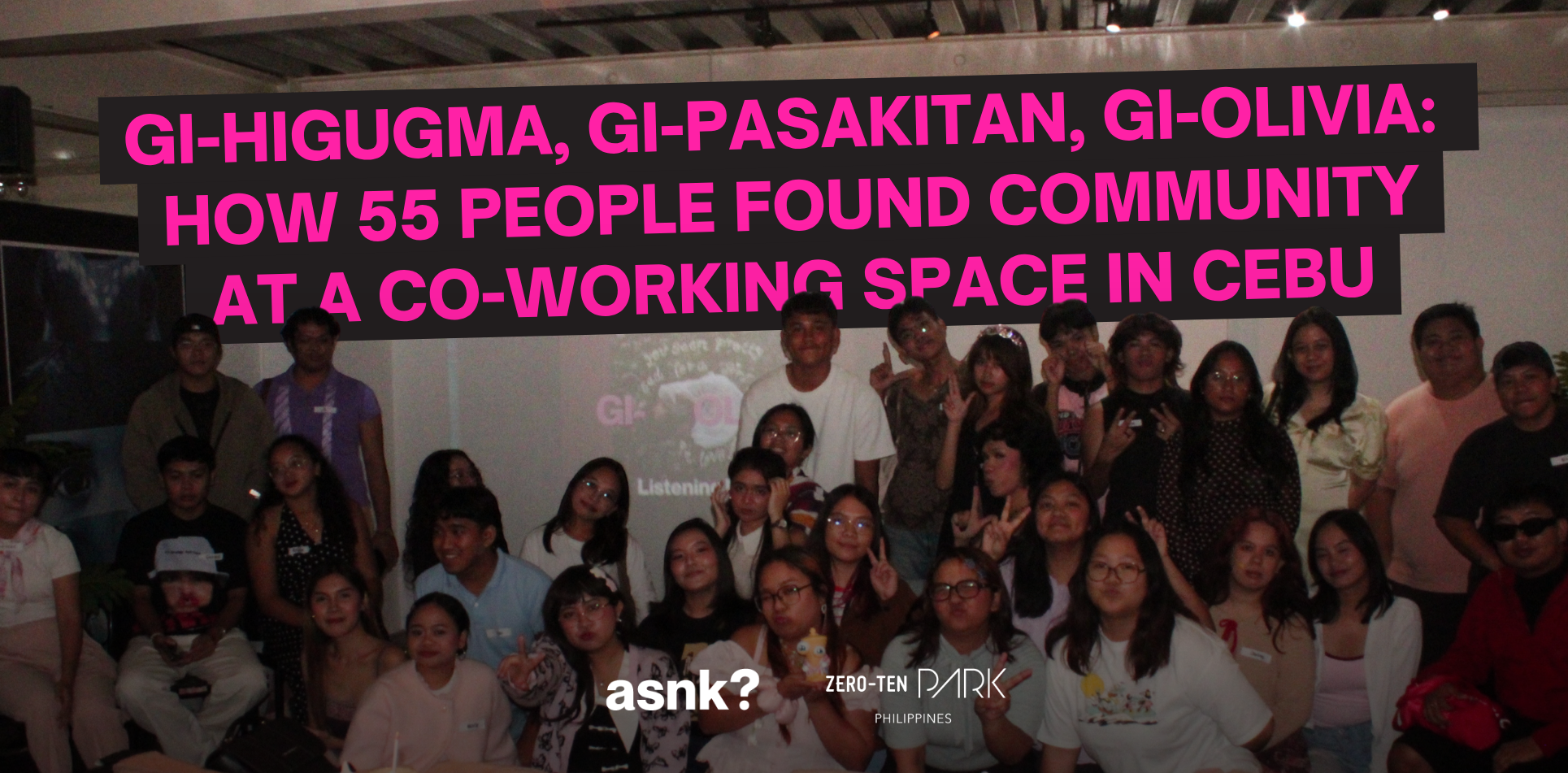
Gi-Higugma, Gi-Pasakitan, Gi-Olivia: How 55 People Found Community at a Co-Working Space in Cebu
-
by
Timothy Clyde Ong | October 12 2026
Fifty-five people packed into Zero-Ten Park Mandaue to hurt together over Olivia Rodrigo’s newest album — and left with something they didn’t expect: community. This is how one night changed everything.
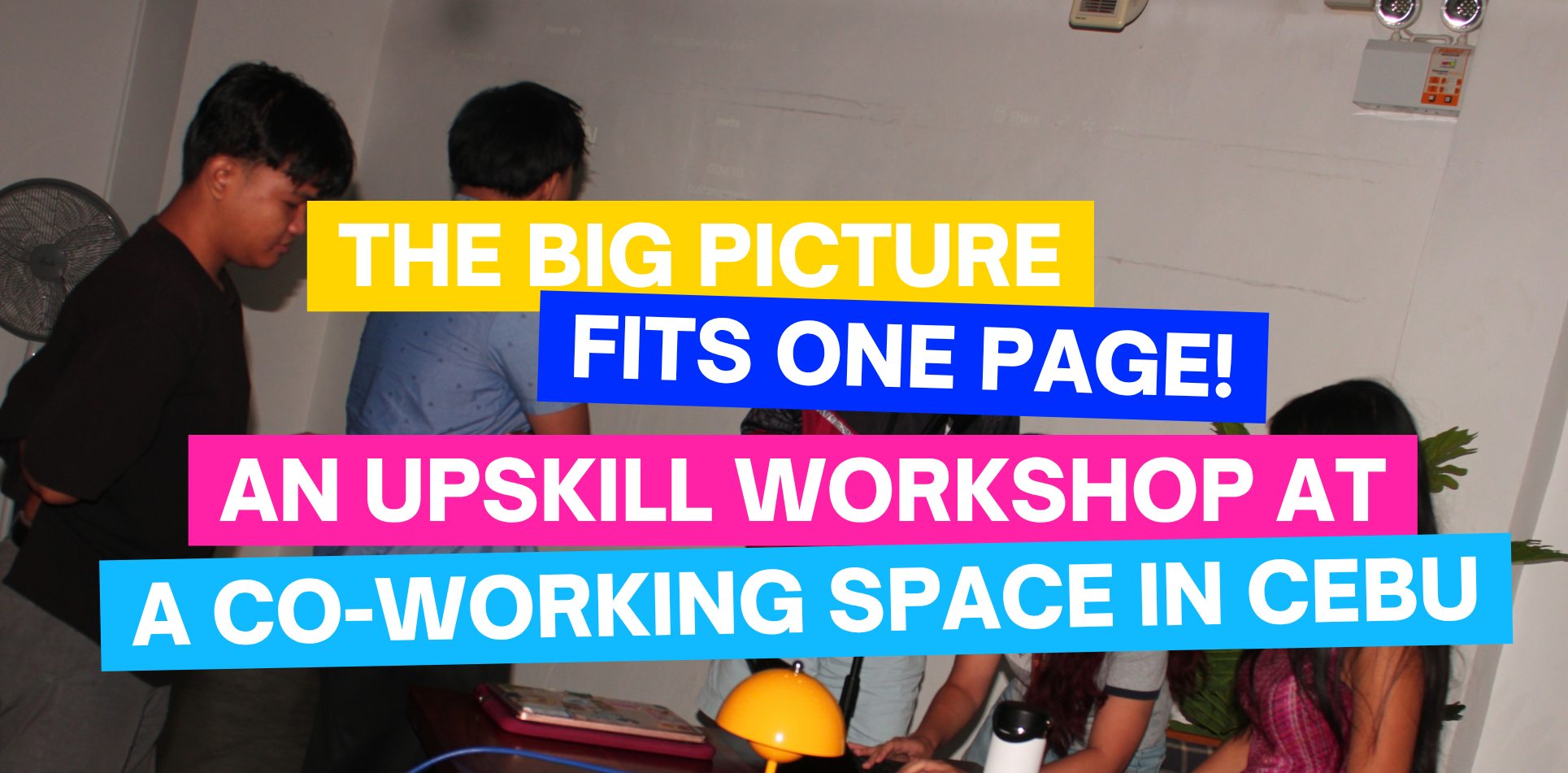
The Big Picture Fit in One Page! An Upskill Workshop at a Co-Working Space in Cebu
-
by
Notion Cebu and Zero-Ten Park Mandaue teamed up for a hands-on Notion workshop — and the room was packed with students, freelancers, and curious professionals ready to lock in.
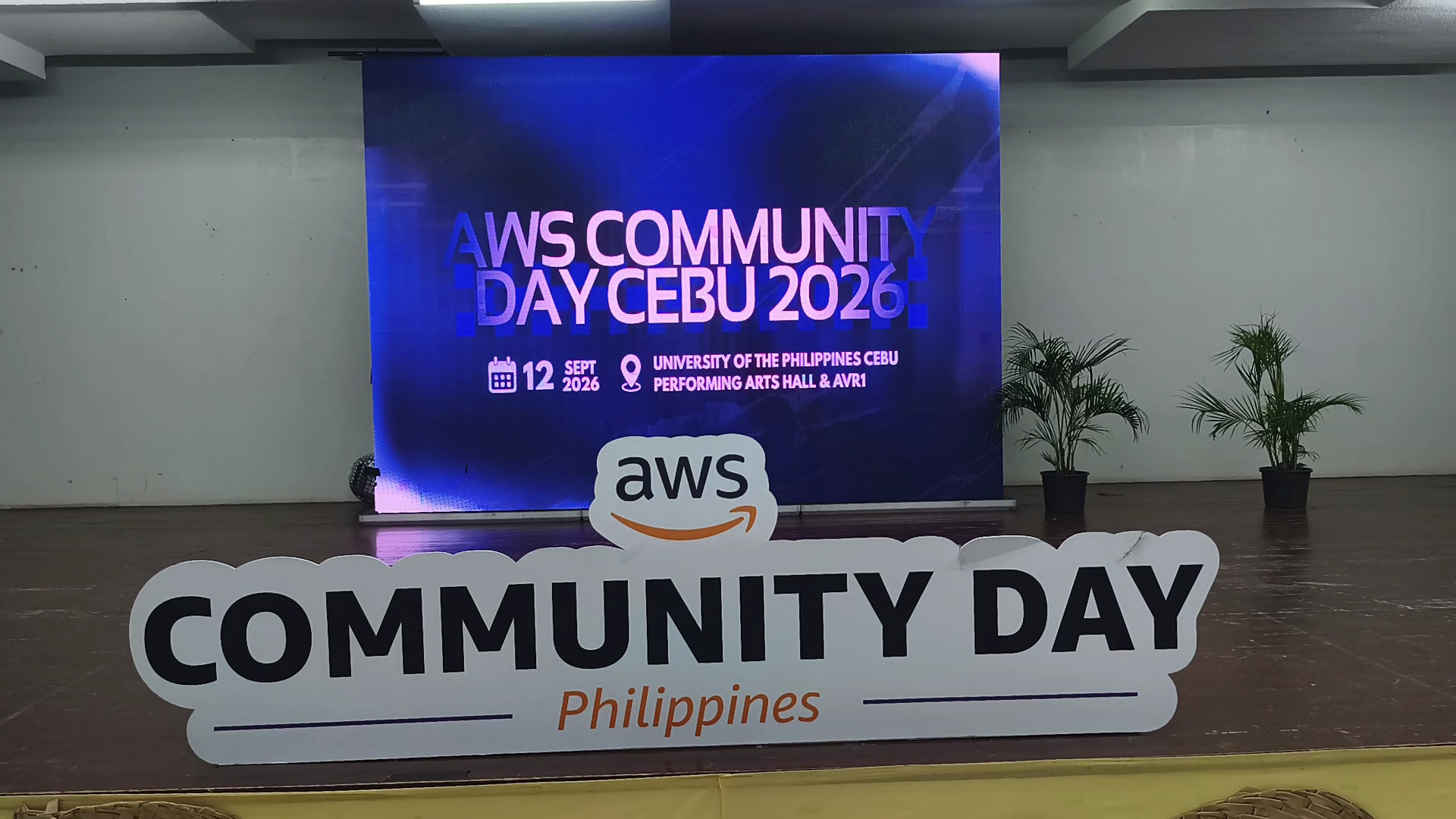
AWS Community Day Cebu 2026: Connecting Tech Talent, Ideas, and Opportunities
-
by
Joseph Reyes | October 07 2026
AWS Community Day Cebu 2026 brought the region’s brightest cloud minds to UP Cebu. Zero-Ten Park was on the ground—booth, stage, stickers, and all.
AI Productivity at The Pull Up Cebu: Zero to Ten
-
by
You don’t need a big team to start using AI in your marketing. A Hong Kong music producer and a Cebu tech enabler show what AI productivity looks like in practice.
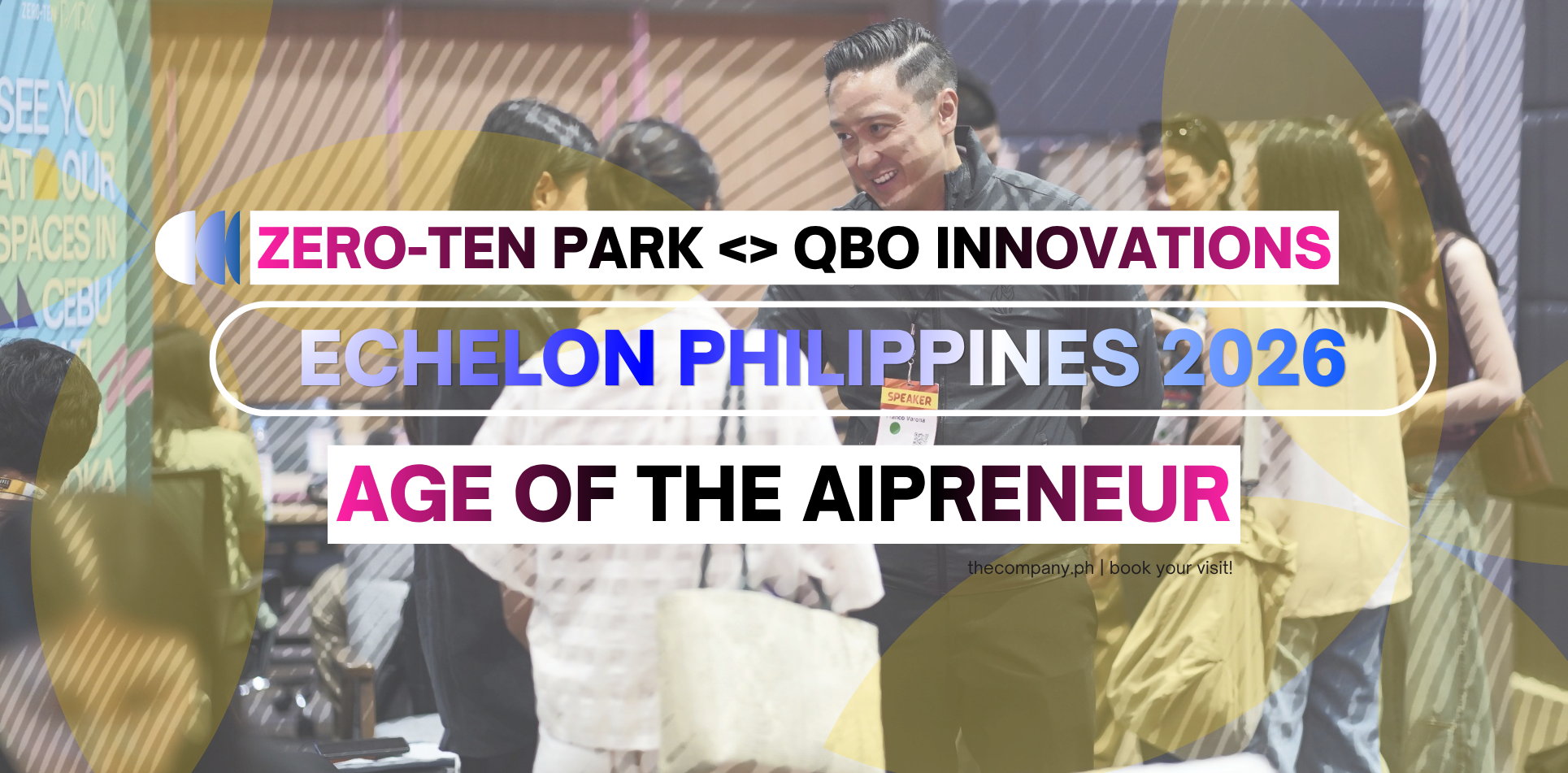
Echelon Philippines 2026: Age of the AIpreneur
-
by
Four Mariano | September 07 2026
Echelon Philippines 2026 gathered founders, investors, and ecosystem builders around AI and entrepreneurship. Here is what Zero-Ten Park took away — and why the conversations mattered more than the agenda.
Community in Cebu: Listening Parties at Zero-Ten Park
-
by
Zero-Ten Park Mandaue is proving that community in Cebu doesn’t have to cost a thing — just good music, good people, and one night to remember.
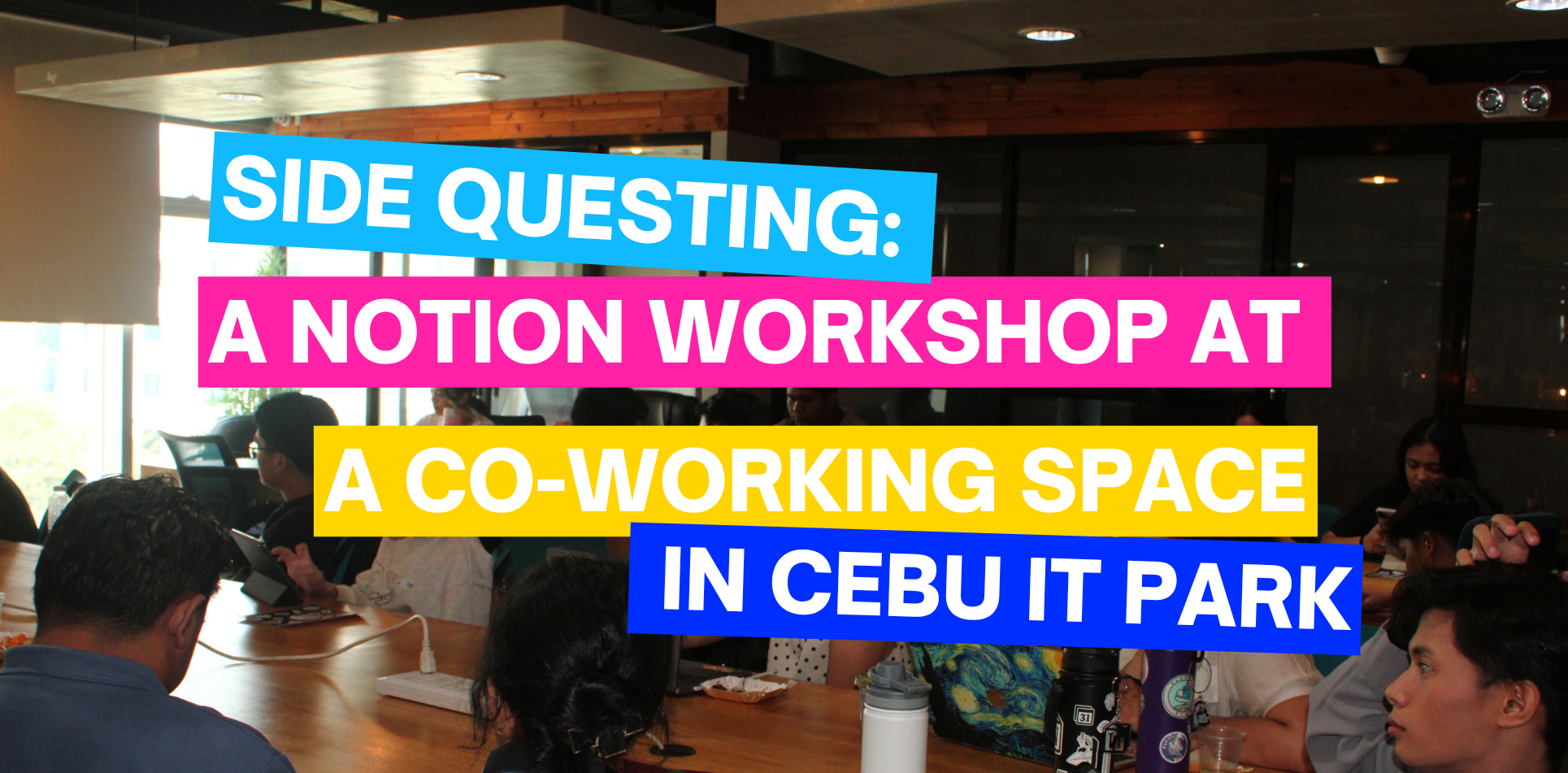
Side Questing: A Notion Workshop at a Co-Working Space in Cebu IT Park
-
by
On September 19, Notion Cebu brought their free workshop to Zero-Ten Park IT Park, turning a co-working space in Cebu into a productivity classroom full of swag, snacks, and real skills.

PEO vs EOR : Which Structure Is Right for Your Hire?
-
by
Takashi Kayashima | August 24 2026
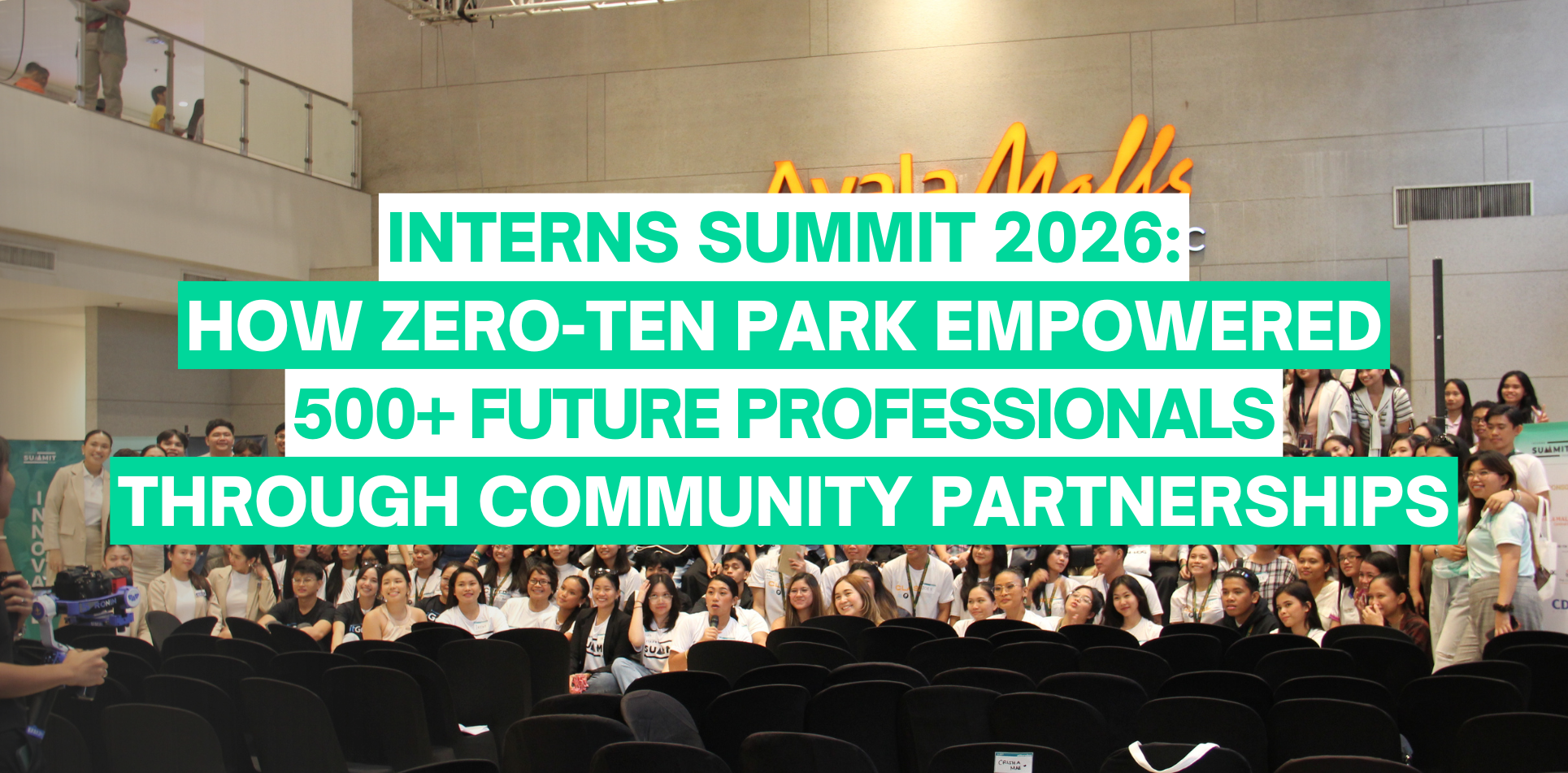
Interns Summit 2026: How Zero-Ten Park Empowered 500+ Future Professionals Through Community Partnerships
-
by
Mary Bay Chu | August 12 2026
You’ve found the right candidate in the Philippines. Now the clock is ticking. Entity registration, statutory registrations, and labor compliance could take three to six months — or you could be fully operational in 48 hours. Here’s exactly how.
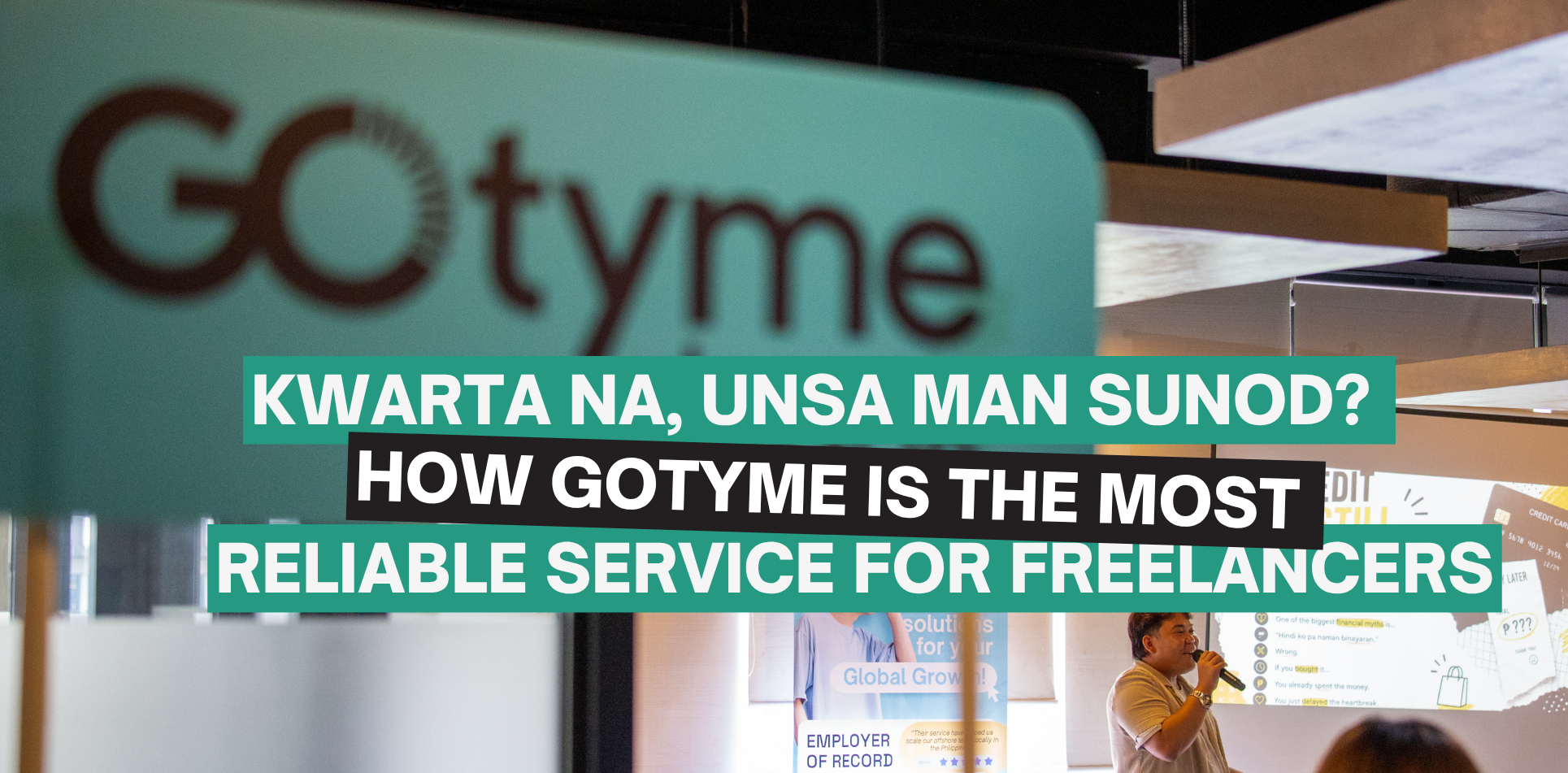
Kwarta Na, Unsa Man Sunod? How GoTyme is the Most Reliable Service for Freelancers
-
by
On July 18, GoTyme Bank and Zero-Ten Park brought together 40 freelancers, students, and finance-curious minds in Cebu IT Park for a night of honest money talk — and some serious giveaways.

How to Hire and Onboard Filipino Remote Talent in 48 Hours
-
by
Joy Garingo | July 15 2026
You’ve found the right candidate in the Philippines. Now the clock is ticking. Entity registration, statutory registrations, and labor compliance could take three to six months — or you could be fully operational in 48 hours. Here’s exactly how.

Manila vs Cebu: Salary Benchmarks for the Roles US and AU Companies Hire Most
-
by

Singapore Companies and the Philippines: Why Hire Across the Strait?
-
by

Why UK Businesses Are Turning to the Philippines for Back-Office Teams
-
by
What Foreign Employers Often Get Wrong About Hiring in the Philippines
-
by
Aprille Famulagan | July 01 2026
The “2-Minute Rule” and Other Small Productivity Habits That Actually Work
-
by
Why US SaaS Companies Are Building QA and Support Teams in the Philippines
-
by
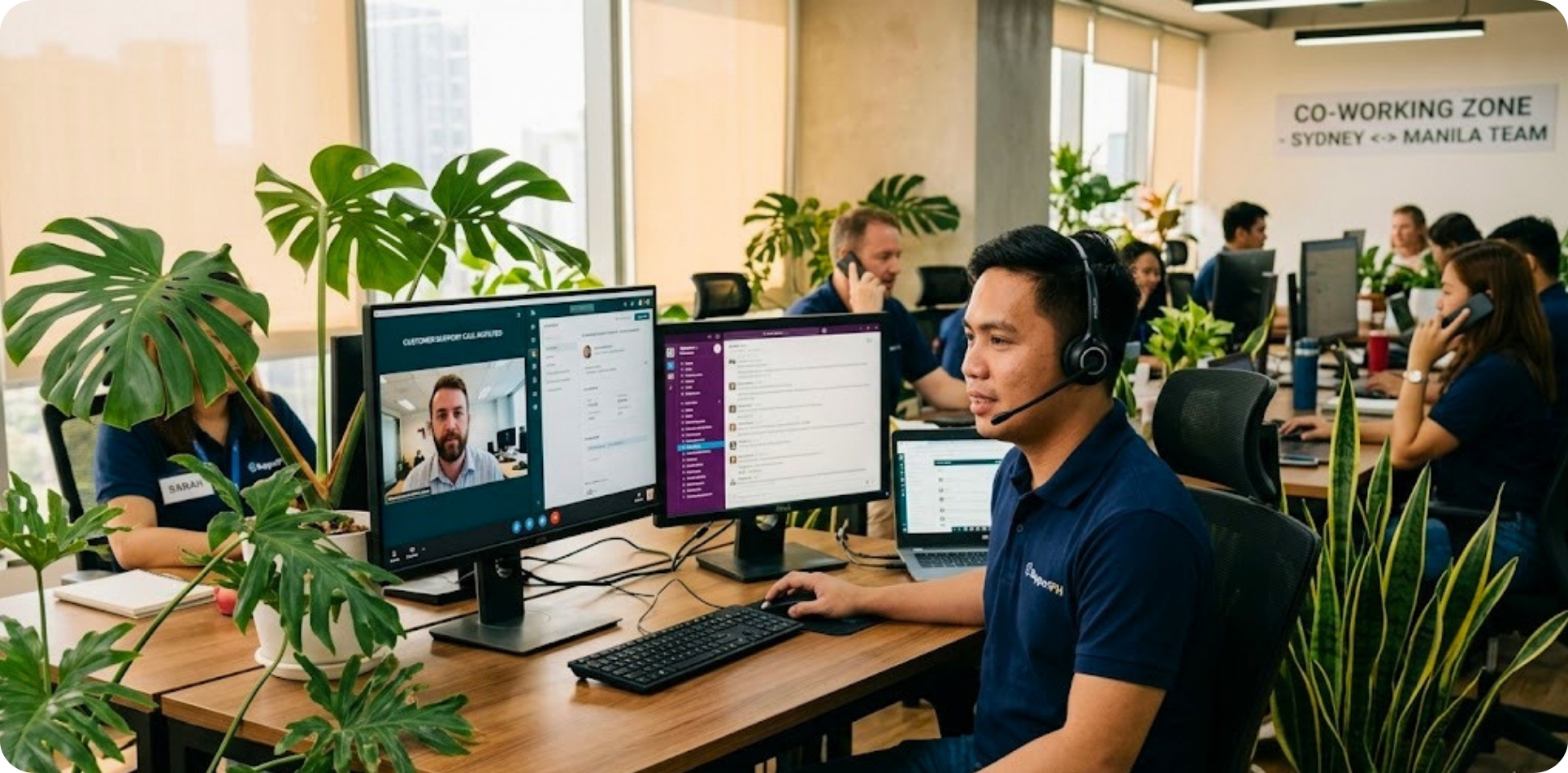
How US E-Commerce Brands Are Using Philippine Teams to Scale Operations
-
by
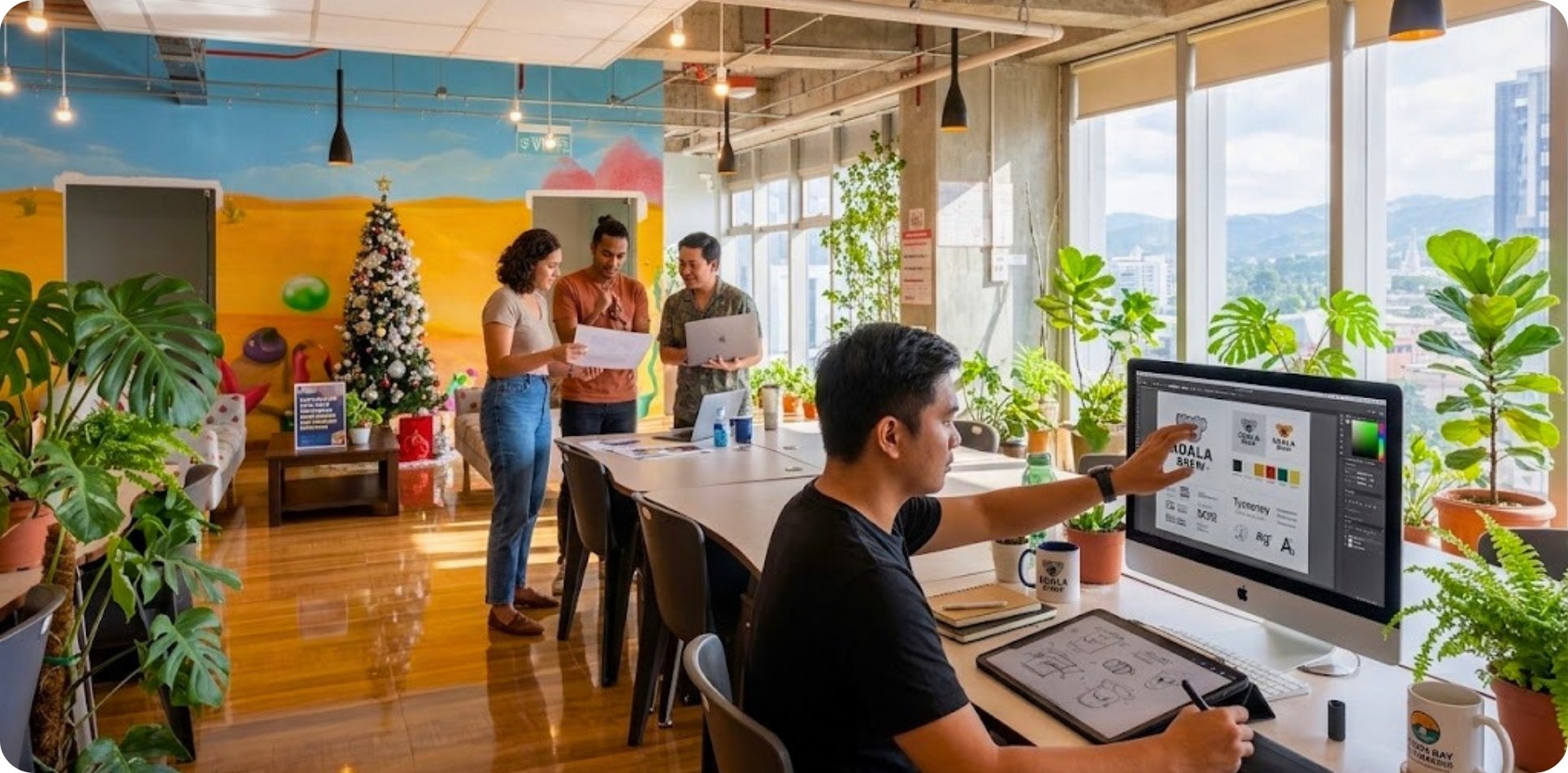
Philippines vs India vs Mexico: Where Should US Companies Build Their Offshore Teams?
-
by

How to Write a Job Description That Attracts Top Filipino Talent
-
by