The True Cost of Renting Event Spaces: Makati, IT Park, and Mandaue

What event space rental costs in the Philippines
Renting an event space in the Philippines runs from roughly ₱1,500 to ₱4,500 an hour, and the gap between those numbers is mostly about where the venue sits. A function room in the Makati central business district commands a premium that a comparable space in Mandaue doesn't, and the same headcount can cost close to three times as much in one city as in another. This guide breaks down what event space rental cost looks like across the Philippines in 2026, what pushes the number up or down, and how to budget a real figure rather than a vague "it depends" — using Zero-Ten Park's own per-location rates as worked examples.
Two framing points before the numbers. First, most serious venues price by the hour, not per head, so your total is driven by how long you book and where, not by a per-person rate. Second, the headline hourly rate is rarely the whole bill: reservation fees, weekend or overnight staffing, equipment charges, and VAT all sit on top, and they vary enough between venues to change which option is actually cheapest. Both are covered below.
Hourly event-space rates in the Philippines typically run ₱1,500–2,500 in a value location like Mandaue, ₱2,500–3,000 in a Cebu business district, and ₱4,000–4,500 in the Makati CBD (all VAT exclusive). Duration, the day of the week, and add-ons move the final figure.
What actually drives the price
Five things explain most of the variation between one quote and another, and knowing them lets you read a price list properly instead of comparing headline rates that aren't measuring the same thing.
Location tier is the biggest lever. A prime central-business-district address — Makati above all — carries real-estate and prestige costs that flow into the hourly rate, while an accessible commercial or industrial area like Mandaue prices well below it for a comparable room. The same company holding the same event will pay a premium of two to three times simply by choosing the more central address, which is why the city is the first thing to settle when budgeting.
Duration sets the base, since the rate is hourly. A four-hour seminar and a full eight-hour conference in the same room differ by the number of hours booked, and some venues offer a discount on longer or same-day bookings, so it's worth asking rather than assuming the hourly rate is fixed. Headcount matters less directly than people expect: it rarely changes the hourly rate, but it decides which venues can physically hold your group, and a room that's too small forces you up into a larger, pricier space or a second session.
The day and time can add cost. Events held on weekends or overnight often carry a staffing fee for the team assisting outside normal hours, charged per staff member rather than as a flat rate. And add-ons and policies — catering rules, audio-visual hire, internet, electricity for outside equipment — are where two venues with the same headline rate diverge sharply. A venue that bundles AV, internet, and a no-corkage catering policy can be cheaper in total than one with a lower hourly rate that bills each of those separately.
Real hourly ranges by location
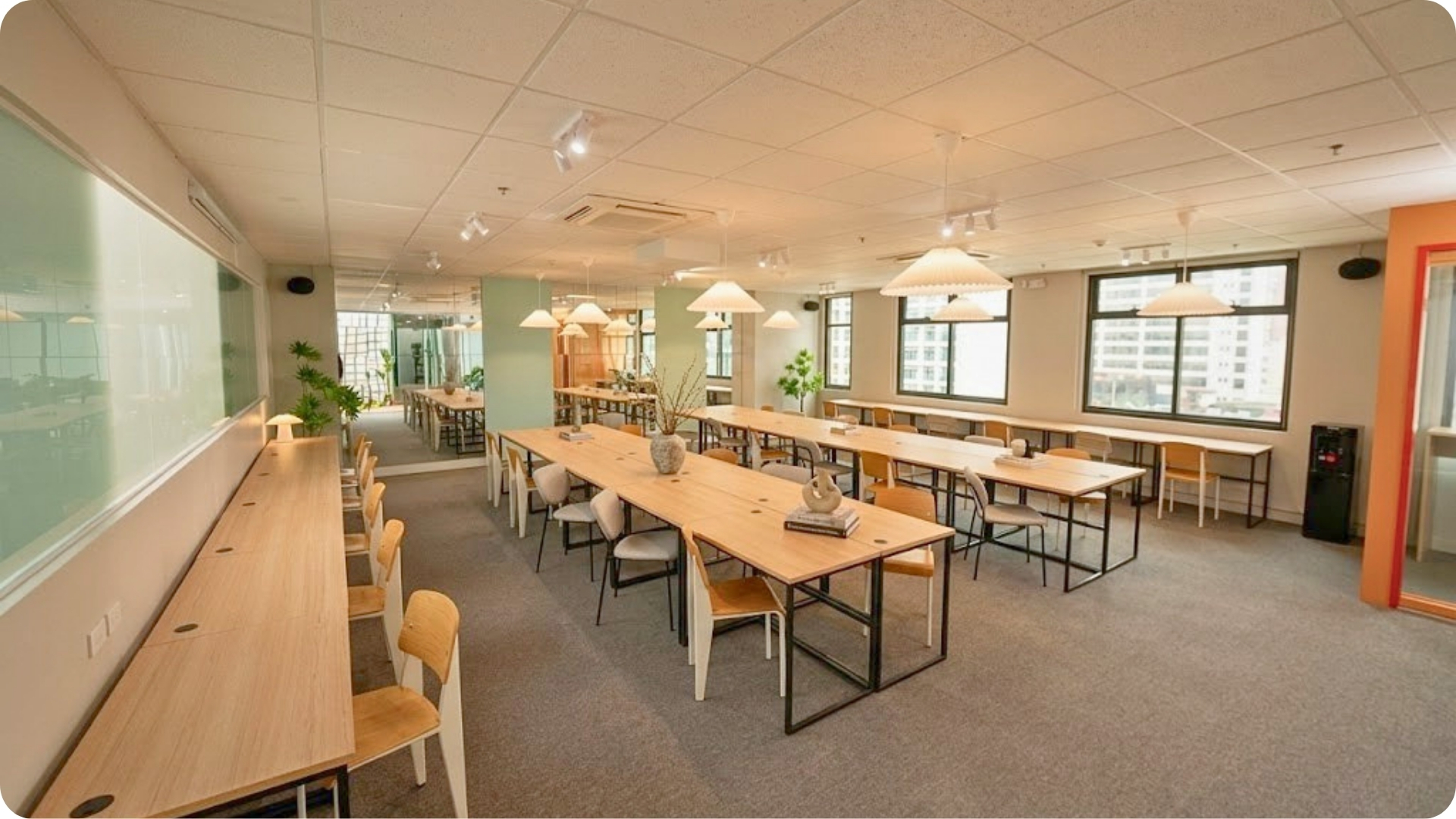
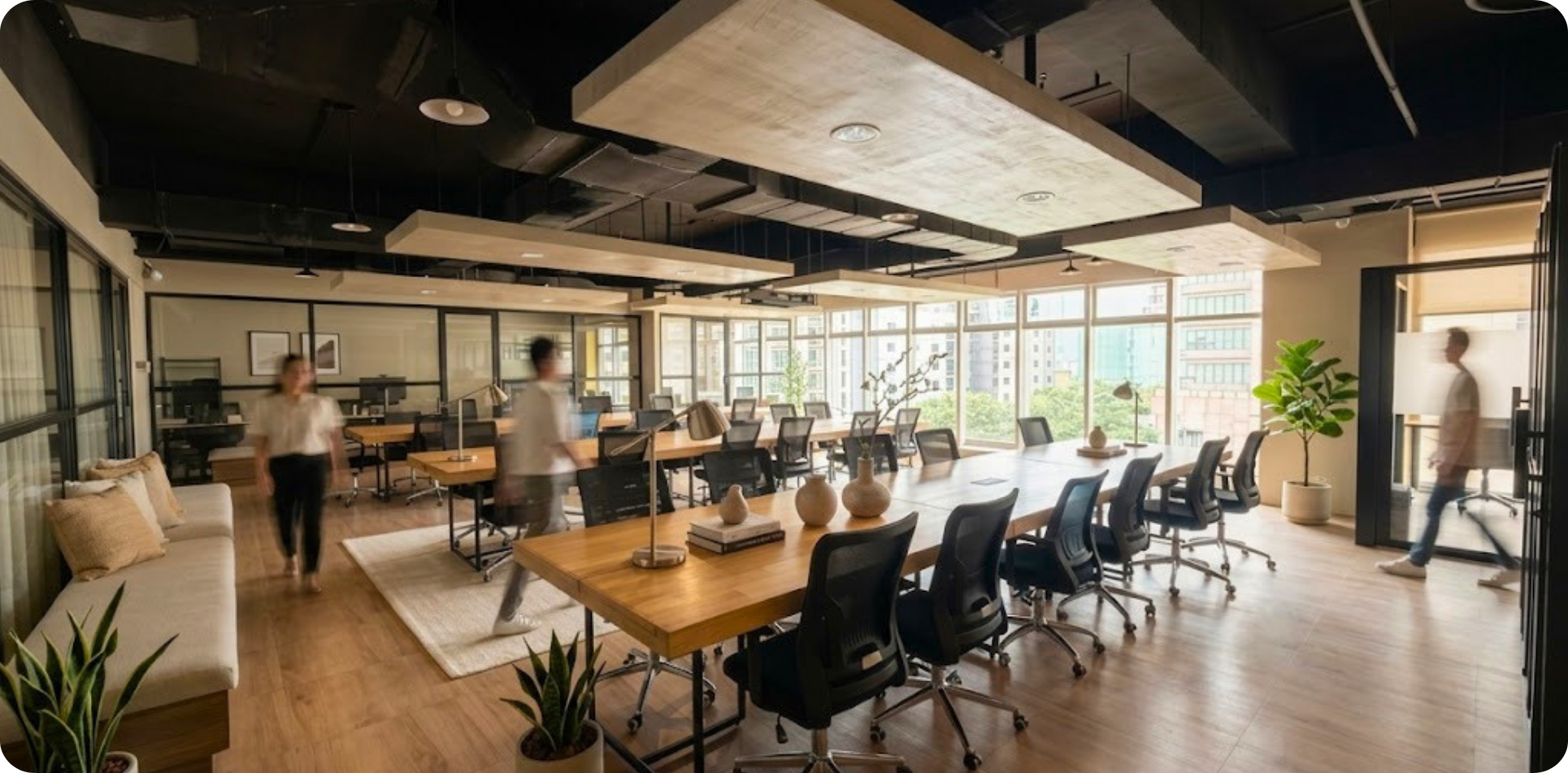
Here are Zero-Ten Park's three event spaces as worked examples of the value, mid, and premium tiers, with the real hourly range for each. Tap a card to see the full venue.
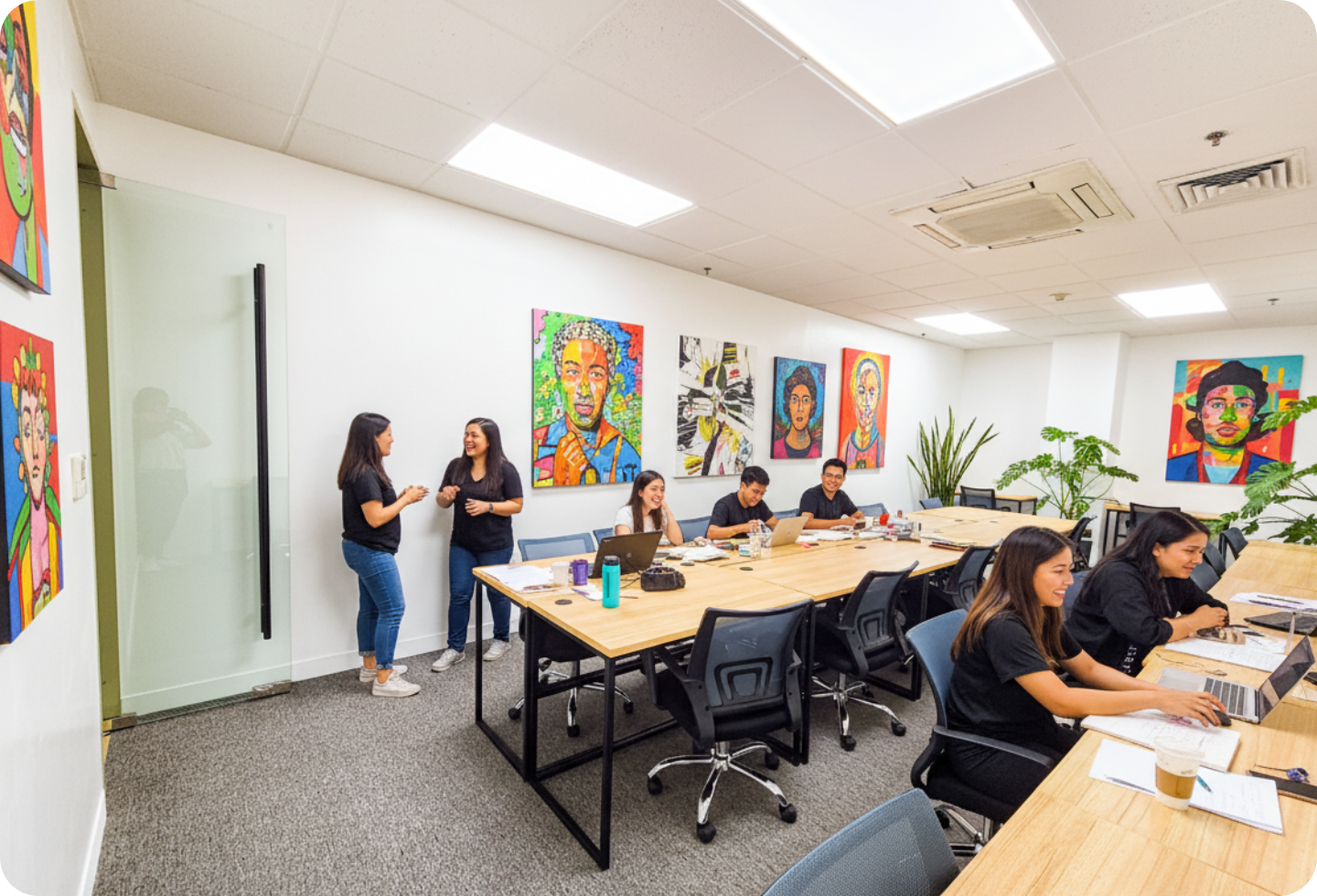
Mandaue
The lowest rate in the network, near Oakridge, with no surcharge on outsourced equipment.
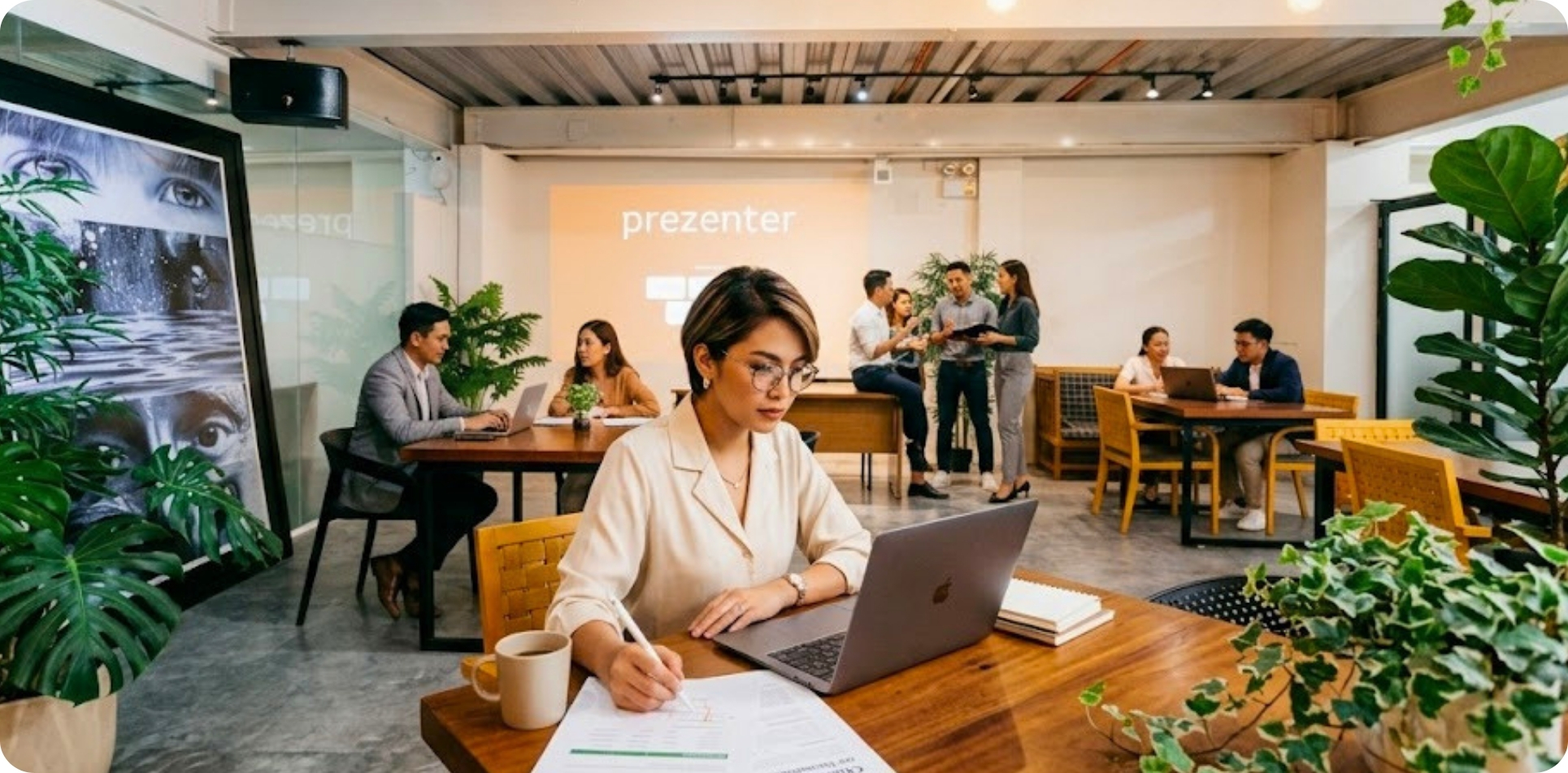
Cebu IT Park
A rooftop venue in the PEZA tech district, wired for town halls, demos, and training.

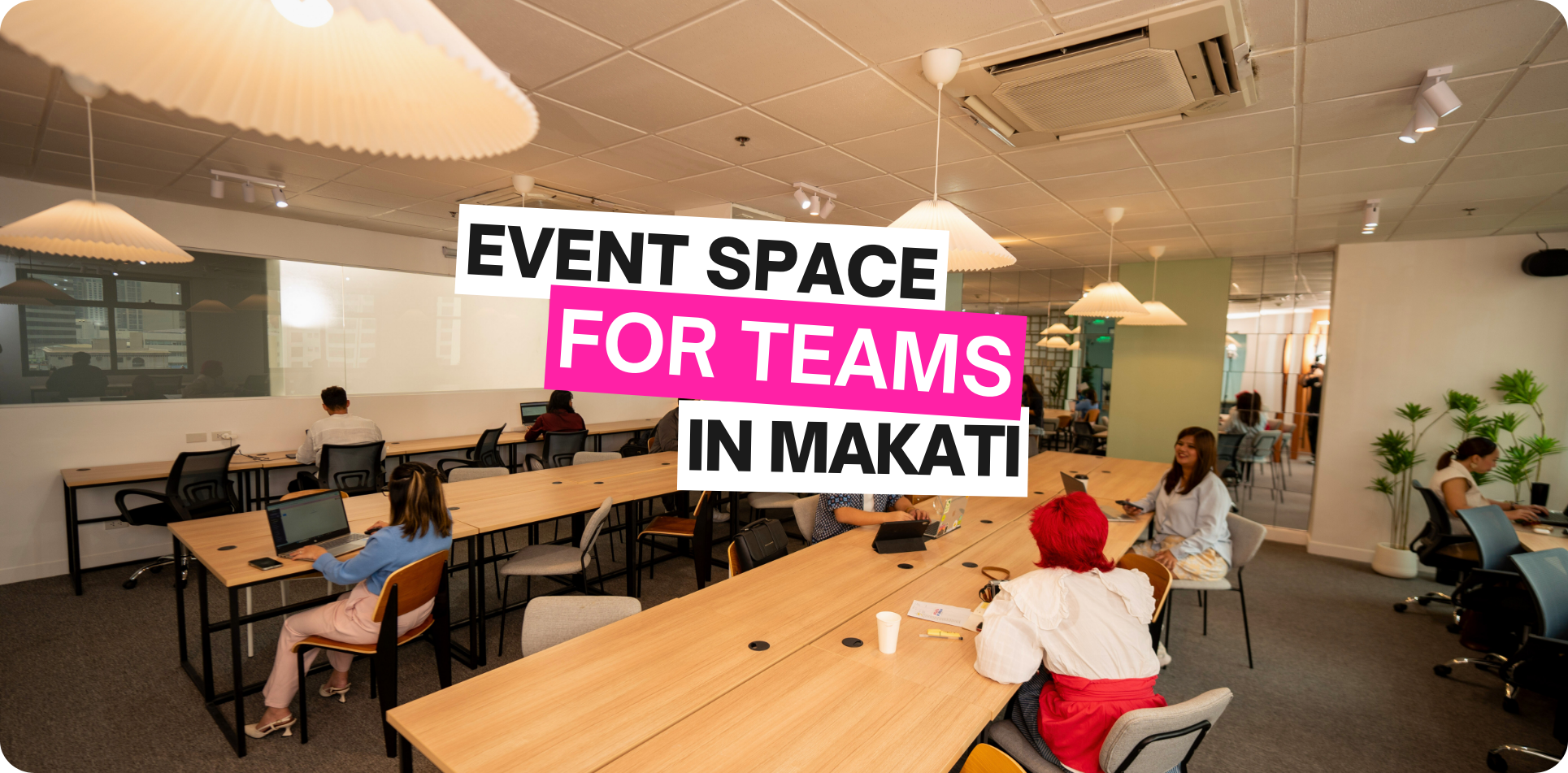
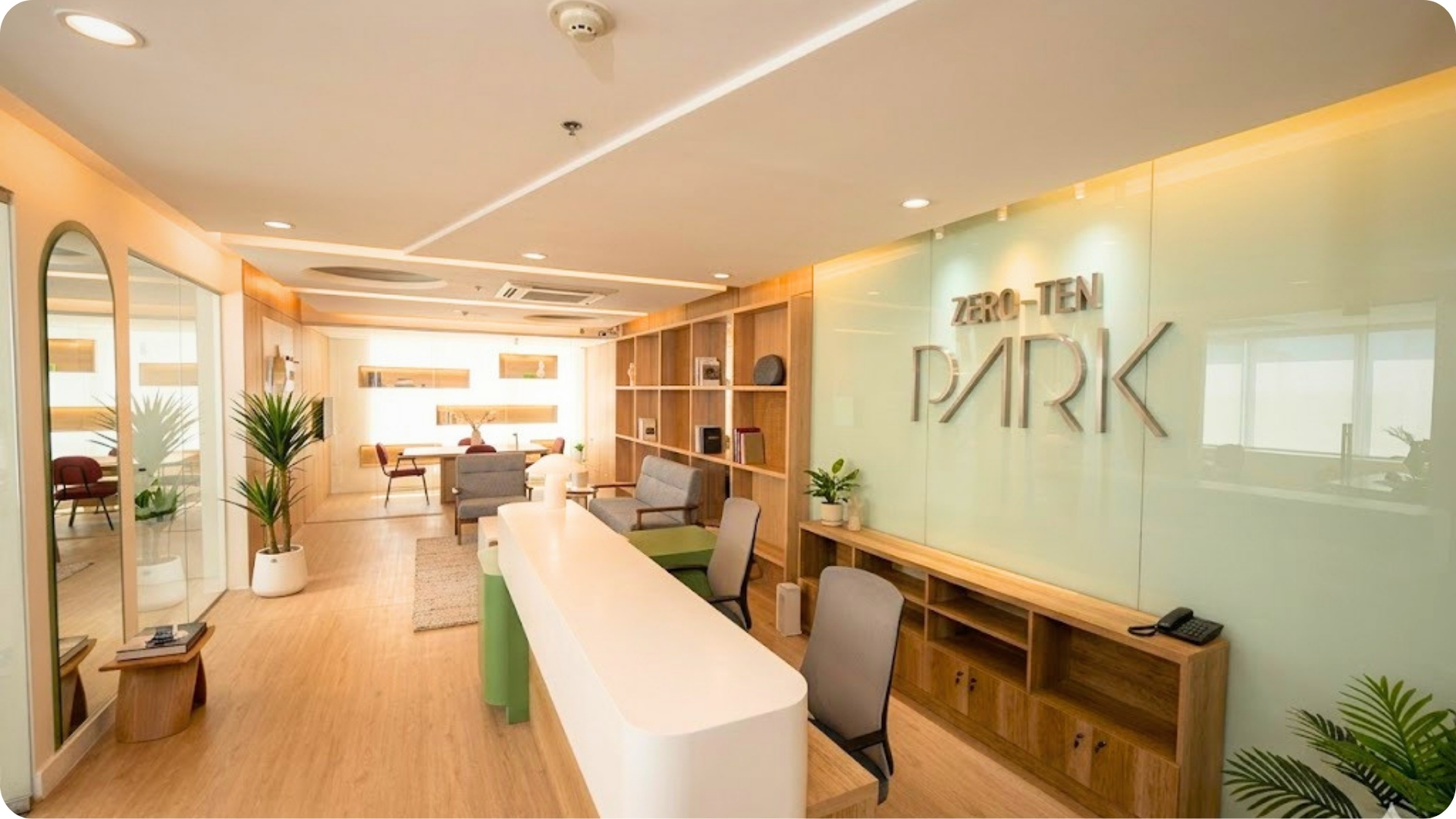
Makati
A Grade A CBD address in Legazpi Village for launches, board offsites, and investor events.
All rates are VAT exclusive. Add 12% VAT for the gross figure.
The spread tells the positioning story plainly: the same operator's premium CBD room costs roughly three times its value option an hour, for venues that each include the core audio-visual kit and internet. That's the range to hold in mind when a quote lands — a figure well above ₱4,500 an hour usually buys a hotel ballroom with catering attached, and a figure below ₱1,500 usually means a bare room with extras billed separately.
| Location | Hourly rate (VAT excl) | Capacity | Best for |
|---|---|---|---|
| Mandaue | ₱1,500–2,500 | 60–70 | Team builds, supplier events, milestones |
| Cebu IT Park | ₱2,500–3,000 | Up to 80 | Town halls, hackathons, training, demos |
| Makati | ₱4,000–4,500 | Up to 80 | Launches, board offsites, investor events |
A full-day booking, costed across the three tiers
To make the spread concrete, take the same event — an eight-hour weekday conference for 70 guests — and price it at each branch before VAT. At Mandaue, eight hours at ₱1,500–2,500 runs ₱12,000 to ₱20,000. At Cebu IT Park, the same eight hours at ₱2,500–3,000 runs ₱20,000 to ₱24,000. At Makati, eight hours at ₱4,000–4,500 runs ₱32,000 to ₱36,000. Each figure includes the projector, screen, microphones, and internet, with a 50% reservation fee due to hold the date and 12% VAT added on top. The same room-day costs roughly ₱14,000 more in the Makati CBD than in Mandaue — the price of the address, worth paying when the audience or the occasion calls for it and worth saving when it doesn't.
Hourly or full-day: which works out cheaper
Because Zero-Ten Park's rooms are billed hourly, a full-day event is simply the hourly rate multiplied by the hours, with no separate flat day rate to compare against. That keeps the maths transparent: there's no break-point where a "day rate" suddenly beats hourly, so the saving comes from booking only the hours you'll use rather than rounding up to a full day out of habit. A focused six-hour programme costs less than an eight-hour booking purely because it's two hours shorter, and where a discount applies to longer or same-day bookings, the team flags it at quote stage. For events that genuinely run long, the hourly basis at least means no surprise package premium for crossing into full-day territory.
The costs people forget
The hourly rate is the figure on the brochure; the bill includes a few more lines. Budgeting for them up front avoids the surprise that turns a tidy quote into an overrun.
A reservation fee — commonly 50% of the booking — is due to hold the date, so it's working capital you commit before the event rather than an added cost, but it affects cash flow. Weekend and overnight staffing adds a per-staff fee for the team assisting outside normal hours, which lands at a few hundred to a thousand pesos per person depending on the venue and the timing. Equipment charges are the line that catches people: some venues, including the Cebu IT Park rooftop, bill electricity by the hour for outsourced sound systems or appliances, while others charge nothing for the same equipment — a real difference for an event bringing its own lights and sound.
VAT sits on top of the quoted rate at 12% where rates are given VAT exclusive, as they are throughout this guide, so a ₱3,000 hourly rate is ₱3,360 gross. And setup and pack-down can eat booked hours: if the room is only yours for the booked window, the time your suppliers spend dressing it comes out of your event, so padding the booking by an hour at each end is a real, if small, cost to plan for.
One more line to keep in view is the cancellation and rescheduling policy. Across Zero-Ten Park's venues, cancelling on the day of the event is charged at the full amount, within seven days at 80%, and eight or more days ahead at 50%, so a firm date matters financially. It isn't a cost you plan to incur, but it's a reason to lock your date and headcount before paying the reservation fee rather than after.
Where Zero-Ten Park removes cost
Several of the extras that inflate a typical venue bill are absent here, which is worth weighing against the headline rate. The audio-visual kit — projector, screen, and wireless microphones — and business-grade internet are included in the rate rather than hired separately. There is no corkage fee, so catering runs through your own supplier at their price with no venue markup, and no food-and-beverage minimum forces a spend you didn't plan. Free-flowing coffee, tea, and water come with the room. At the Mandaue branch specifically, outsourced equipment carries no surcharge at all, which makes an equipment-heavy event there cheaper to budget than its low hourly rate alone suggests.
How a coworking event space compares with a hotel on cost
For many buyers the real alternative to a coworking event space is a hotel function room, and the cost difference is structural rather than just a matter of headline rate. A hotel typically prices per head or against a food-and-beverage minimum, so the bill scales with your guest count and a set catering spend whether or not you'd have spent it. A coworking event space prices by the hour regardless of headcount, lets you bring your own caterer with no corkage, and includes the audio-visual kit and internet a hotel often bills separately. For a 70-person event, that usually means a lower and more predictable total, with the tradeoff that you coordinate catering yourself rather than handing it to the venue.
The hotel wins where catering, accommodation, and a formal banquet setting are the point — a gala or a multi-day conference with delegates staying over. For a training day, a town hall, a supplier event, or a team build, the hourly, bring-your-own-caterer model is the cheaper structure. The full side-by-side sits in the venue-type comparison guide.
Estimate your event budget
Pick a location, the hours you need, and the day, and the calculator returns an estimated range with the reservation fee and any weekend staffing surfaced. It's an estimate for planning, not a quote — the exact figure is confirmed by the team.
Event budget calculator
Estimates use Zero-Ten Park's real per-location ranges, VAT exclusive.
How to bring the cost down
A few decisions move an event budget more than haggling over the hourly rate does. The first is choosing the right location for the audience: if your guests are in Cebu, a Mandaue or IT Park booking saves the Makati premium without adding travel for anyone, and the prestige of a CBD address only earns its cost when the event genuinely needs it — an investor briefing or a press launch, not an internal training.
Right-sizing the hours is the next lever. Booking the actual run-of-show plus a setup buffer, rather than a generous round number, trims hours you'd pay for and not use, and asking about a discount on longer or same-day bookings can lower the effective rate. Bringing your own caterer under a no-corkage policy avoids both a venue markup and a food-and-beverage minimum, often the single largest saving against a hotel function room. And using a venue with the equipment built in — AV, internet, microphones — avoids stacking hire charges, while a venue that doesn't surcharge outsourced gear lets you bring your own lights and sound without a per-hour fee. Stacked together, those choices routinely separate a comfortable budget from an overrun on the same event.
Timing the booking itself helps. Demand for event spaces in the Philippines peaks across the year-end stretch from November to December, when company parties and assemblies compete for the same dates, so booking well ahead protects both availability and your choice of hours. Mid-week and off-peak dates are easier to secure and avoid the weekend staffing fee entirely, which suits internal events that don't need a Saturday.
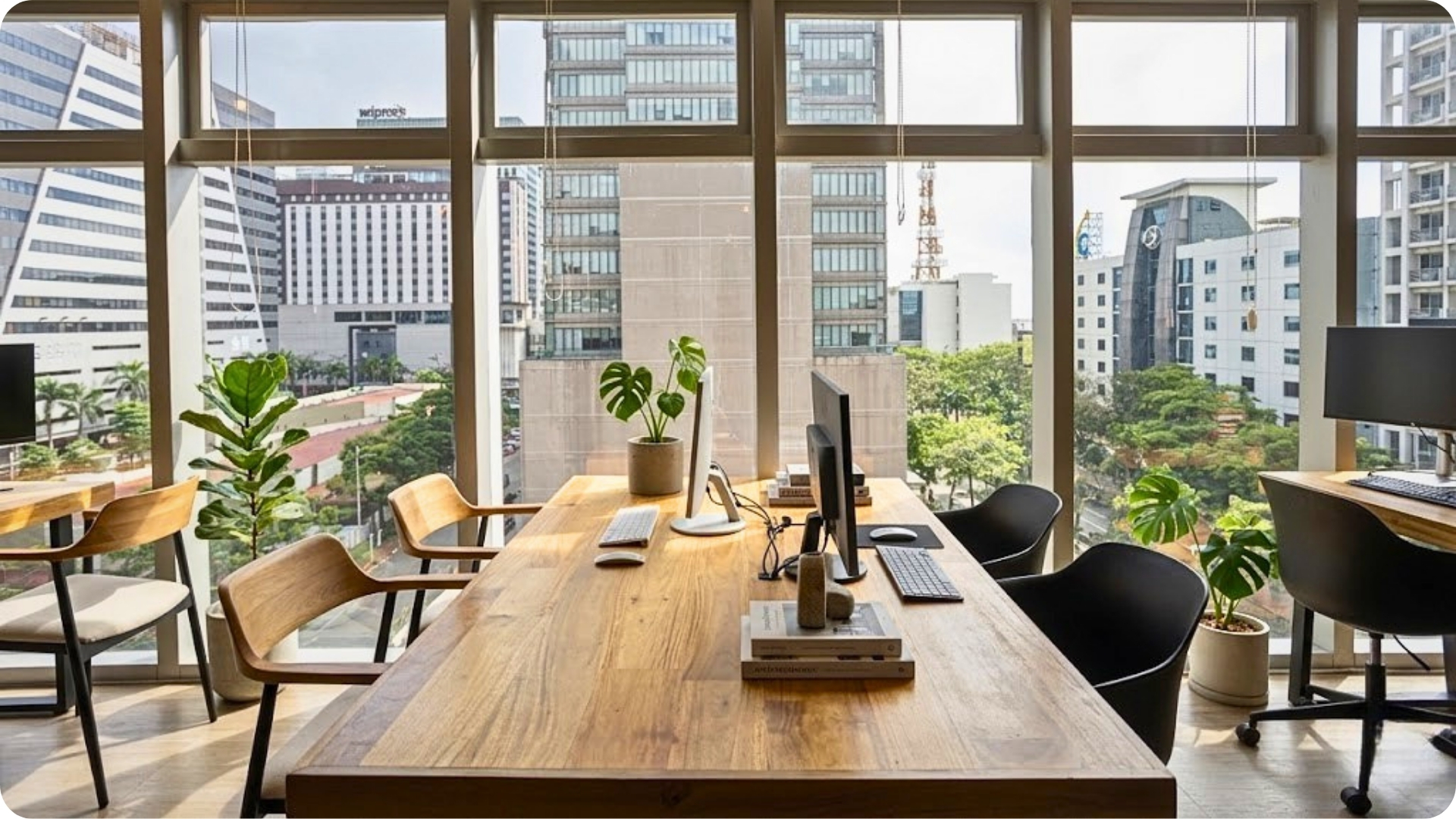
Upcoming events at Zero-Ten Park
See how the spaces are used in practice on the calendar here — a useful gauge of formats and scale before you plan your own.
Frequently asked questions
How much does it cost to rent an event space in the Philippines?
Hourly rates generally run from about ₱1,500 in a value location to ₱4,500 in the Makati central business district, VAT exclusive. The exact figure depends on the city, how many hours you book, the day of the week, and any add-ons. Zero-Ten Park's three venues span the range at ₱1,500–2,500 (Mandaue), ₱2,500–3,000 (Cebu IT Park), and ₱4,000–4,500 (Makati).
Why do prices vary so much between Cebu and Manila?
Location tier is the main driver. A prime Makati address carries real-estate and prestige costs that flow into the hourly rate, while an accessible commercial area like Mandaue prices well below it for a comparable room. The same event can cost two to three times more simply by choosing the more central city.
Do I pay per person or per hour?
Serious venues price by the hour, not per head, and Zero-Ten Park's spaces have no per-person charge and no food-and-beverage minimum. Your headcount decides which venue fits your group, not the rate you pay.
Are there hidden costs beyond the hourly rate?
Budget for a reservation fee (commonly 50% to hold the date), a per-staff fee for weekend or overnight bookings, possible electricity charges for outsourced equipment at some venues, and 12% VAT on top of VAT-exclusive rates. Zero-Ten Park includes AV, internet, and free-flowing drinks, and charges no corkage, which removes several of the usual extras.
Is VAT included in the rates?
The rates in this guide are VAT exclusive, so add 12% for the gross figure. A ₱3,000 hourly rate works out to ₱3,360 with VAT.
What's the most affordable event space in the network?
The Mandaue branch is the lowest-priced at ₱1,500–2,500 per hour, with no surcharge on outsourced equipment and a lower weekend staffing fee, which makes it the most predictable to budget for an equipment-heavy event.
How much is the reservation fee?
A 50% reservation fee is typically due to hold the date. It's part of the total cost rather than an extra, but it's committed before the event, so factor it into your cash flow.
Get an exact quote for your event
Send your city, date, headcount, and hours, and the Zero-Ten Park team will confirm availability and a precise quote across the three venues. Review the full inclusions on the Activity Areas page and the Terms & Conditions before you book.