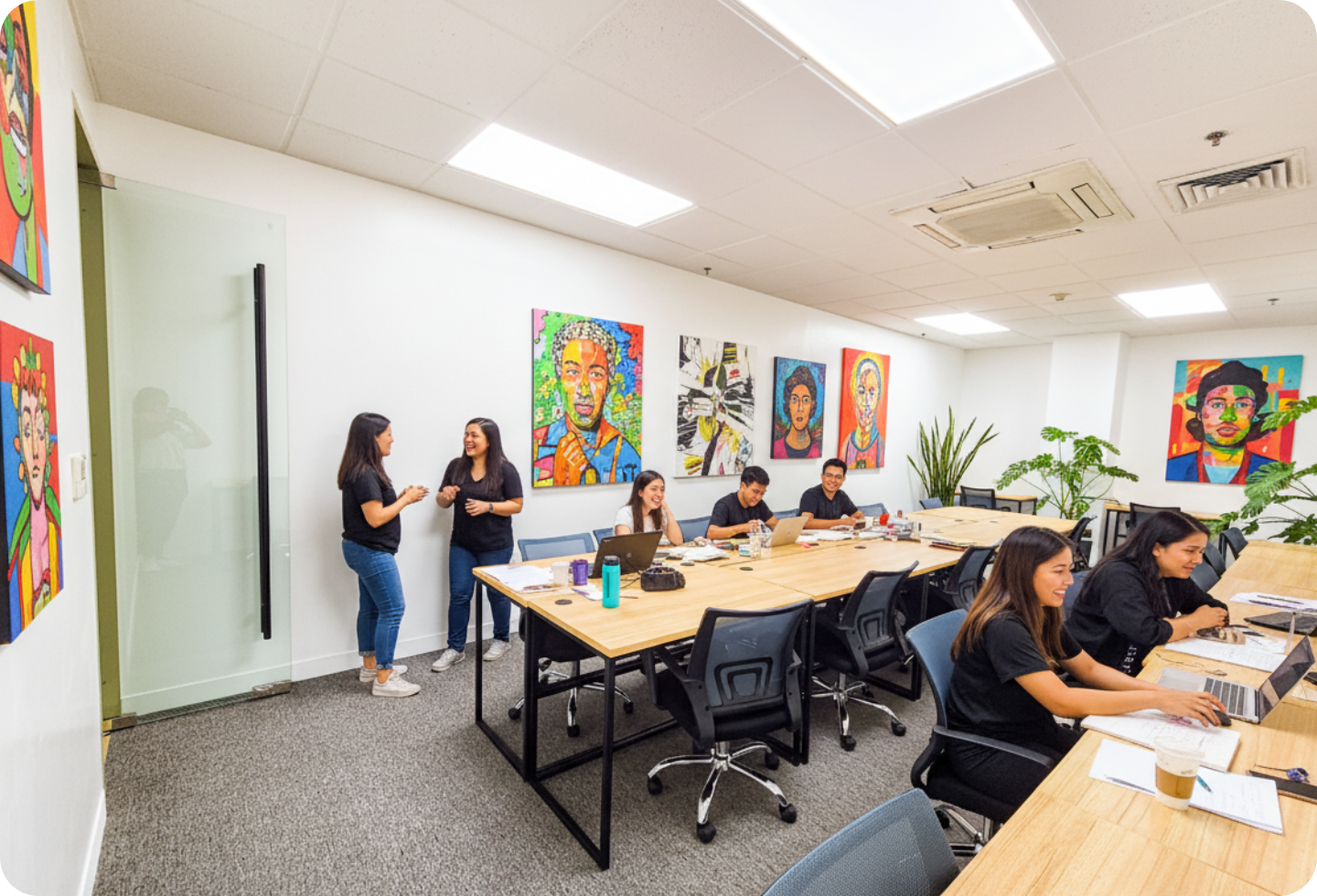
Which Industries Need a Philippines Office — Not Just Remote Workers

Not every overseas employer needs an office for their Philippine team. But for some industries, the question of whether to provide one is not really a question at all — it is a compliance requirement, a risk management decision, and a client expectation rolled into one. The challenge is that most overseas employers don’t think about their hiring model in industry-specific terms. They default to remote because it is the path of least resistance, without asking whether their particular sector actually tolerates the risks that remote-only arrangements introduce.
This article looks at five industries where the gap between remote-only and office-supported performance is largest — and where the case for EOR combined with a professional workspace is not just compelling but, in many cases, essential.
Fintech and Financial Services
Financial services is the sector where the argument for office-based work in the Philippines is most straightforward — and most frequently ignored by early-stage overseas operators who treat it like any other remote function.
The core issue is data security. Filipino team members working in financial services roles — loan processing, KYC verification, transaction monitoring, bookkeeping, accounts payable — handle sensitive financial data continuously. In a home environment, there is no meaningful control over who else is in the room, what other devices are connected to the same network, or whether work screens are visible to household members. For an Australian fintech operating under ASIC oversight, or a US financial services firm subject to SEC or FINRA requirements, this is not a theoretical risk — it is a compliance exposure that a single incident can make very real.
A managed office environment addresses this directly. Controlled access to the physical space, managed network infrastructure with enterprise-grade security, clear separation between work and personal devices, and the operational visibility of an on-site team that knows when something unusual is happening. None of these exist in a home working setup.
Beyond security, there is the audit trail question. Regulated financial services businesses need to demonstrate, when required, that their processes are controlled and their team members are operating within a defined, supervised environment. An office provides that demonstrability. A home-based arrangement does not — and the inability to demonstrate environmental controls can become a significant issue during an audit or regulatory inquiry.
Performance is a secondary but meaningful consideration. Financial processing roles require sustained concentration, accuracy under time pressure, and the ability to escalate quickly when something doesn’t look right. Distractions, interruptions, and unstable connectivity directly affect error rates in financial work. The cost of errors in financial processing is not abstract: it shows up in reconciliation time, client disputes, and regulatory exposure.
Legal, Compliance, and Professional Services
Law firms, compliance teams, and professional services organisations hiring in the Philippines face a specific version of the data security problem: confidentiality. Legal work routinely involves documents and information that are subject to professional privilege. Paralegal staff, legal secretaries, compliance analysts, and document review teams handling privileged material in unsecured home environments are creating confidentiality risks that their overseas principals may not have considered when the hiring arrangement was set up.
There is also the professionalism dimension. Legal and professional services clients expect their matters to be handled with a certain standard of professional rigour. That standard includes the working environment. An Australian law firm that can tell a client their document review is conducted in a secure, professionally managed office in Makati is in a meaningfully different position than one that cannot account for where its overseas team is working.
Compliance roles — regulatory affairs, AML monitoring, risk assessment — carry similar considerations. These functions exist specifically because the cost of getting things wrong is high. Placing compliance-critical roles in unsupported home environments while expecting the same quality of output as a managed, supervised setting is an optimistic assumption that organisations in regulated industries cannot comfortably sustain.
Customer Support and Client Services
The Philippines has built one of the world’s largest customer support industries precisely because Filipino professionals are exceptionally good at it — culturally warm, strong communicators, patient under pressure. The question is whether that capability is best expressed from a home environment or a professional one.
For voice-based customer support — phone calls, video calls, live chat with voice components — the home environment is a consistent problem. Background noise from household members, neighbourhood noise, unstable connections that drop calls mid-conversation: for a customer support team handling dozens of client interactions daily, these are structural reliability failures that damage client experience.
An office with soundproofed phone booths, enterprise internet with redundancy, and a controlled acoustic environment produces measurably better call quality. Beyond call quality, customer support performance is a team sport. Escalation paths, knowledge sharing, peer coaching, quality monitoring — all of these function better when the team is physically present together. The informal knowledge transfer that happens naturally in a co-located support team is largely absent when the team is distributed across separate home environments.
Software Development Teams
Software development is the sector where the remote work debate is most contested — and where the answer most clearly depends on team composition, seniority, and what the team is actually building.
Individual senior developers working independently on well-defined tasks can be genuinely effective remotely. But most development teams include junior and mid-level developers who benefit significantly from mentorship, they encounter problems that require rapid real-time collaboration, and they manage on-call or incident response obligations where communication speed matters.
A junior developer in an office environment with more experienced colleagues will develop faster than the same developer working from home with only scheduled Slack interactions. An incident that would take forty minutes to diagnose remotely can be handled in fifteen when the developers are in the same room. Sprint ceremonies run more effectively with a physically present team. And access to production environments or client data from uncontrolled home networks introduces security risks that most companies have policies specifically designed to prevent.
Healthcare Administration and Medical Support
Medical billing, healthcare administration, patient coordination, and clinical documentation support are increasingly offshored to the Philippines — and they come with some of the strictest data handling requirements of any industry.
Patient health information is protected under frameworks including HIPAA in the US and equivalent legislation in other jurisdictions. These frameworks impose specific requirements that include physical access controls and environmental security standards. A healthcare organisation placing a patient data function in a home-based remote setup in the Philippines and claiming HIPAA compliance is making a legal argument that would not survive serious scrutiny.
A managed office environment — with controlled physical access, managed network security, and documented environmental controls — provides the demonstrable compliance infrastructure that healthcare clients require. For Australian telehealth companies, medical practices with Philippines-based billing support, and healthcare technology firms with Filipino teams handling patient data, this is not optional.
The Common Thread
Across all five sectors, the same themes recur: data security, professional accountability, performance reliability, and the demonstrability of a controlled working environment. These are not arguments against remote work in general — they are arguments that specific industries carry risks that remote arrangements systematically fail to address, and that the employers in those industries who recognise this early are the ones who avoid the incidents that make the risks visible.
For overseas employers in regulated, client-sensitive, or data-intensive sectors, the question is not whether they can afford to provide their Philippines team with a professional office environment. It is whether they can afford not to — and whether they will make that calculation before or after something goes wrong.
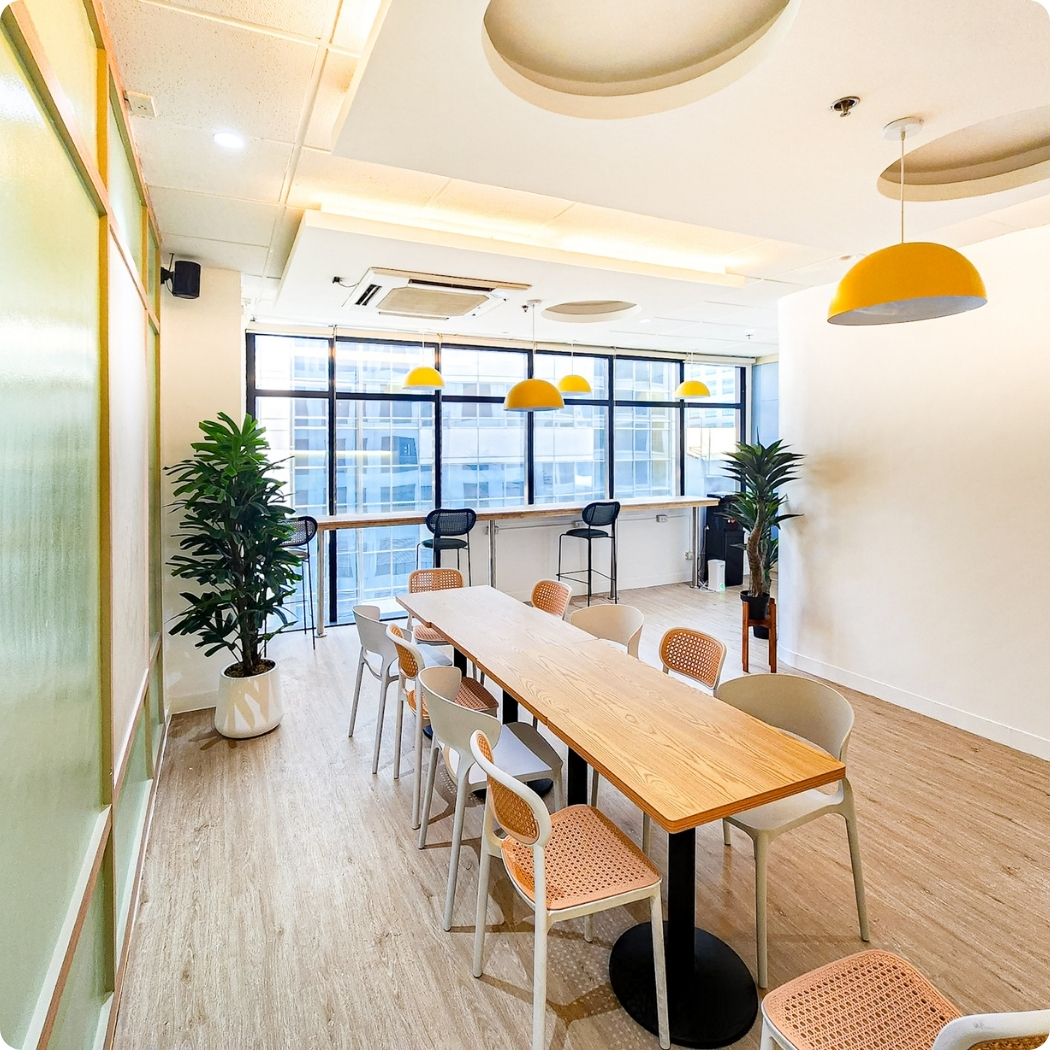
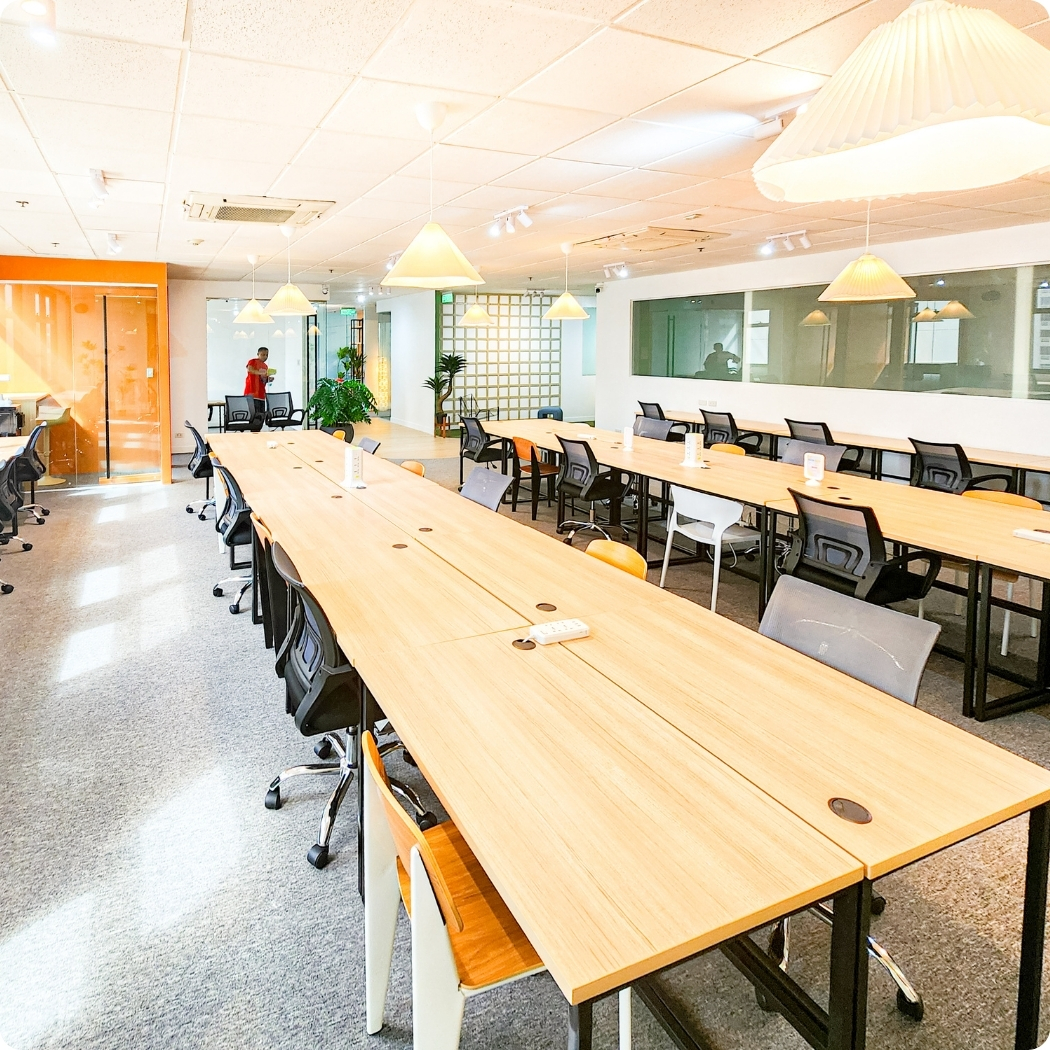
The Company operates professionally managed workspaces in Makati, Cebu IT Park, and Mandaue — all integrated with a full Employer of Record service. For industries where the working environment is as important as the employment structure, the combination offers a single, managed solution. Learn more about EOR and workspace options here.