The Future of Work in the Philippines: Why Cebu Is Emerging as a Global Hiring Powerhouse

The global workforce is undergoing one of the most significant transformations in modern business history. Over the last few years, companies have re-evaluated how teams are built, where talent is sourced, and what sustainable growth truly looks like in an increasingly remote and interconnected economy.
What was once considered an “alternative hiring strategy” has now become a mainstream operational model. Businesses are no longer limiting recruitment within the boundaries of their headquarters or domestic markets. Instead, they are building globally distributed teams designed around capability, flexibility, and long-term scalability.
Within this shift, the Philippines has steadily strengthened its position as one of the world’s most attractive talent markets. More specifically, Cebu is beginning to emerge as a strategic hiring destination for companies seeking highly skilled professionals, operational efficiency, and workforce sustainability.
For organizations exploring hiring in the Philippines, Cebu is no longer simply viewed as a secondary outsourcing location. It is increasingly being recognized as a modern business ecosystem capable of supporting global operations across technology, customer success, finance, recruitment, marketing, administration, and other knowledge-based functions.
This evolution is also contributing to the growing demand for Employer of Record Philippines and Employer of Record Cebu services, as international businesses seek compliant and scalable ways to expand their workforce without immediately establishing local entities.
The future of work is no longer centered solely on geography. It is increasingly centered on access to high-quality talent, operational resilience, and the ability to build globally integrated teams.
The Global Hiring Landscape Has Changed Permanently
The pandemic accelerated trends that were already beginning to reshape the modern workplace. Remote work adoption, digital collaboration tools, and evolving employee expectations fundamentally changed how organizations approach recruitment and workforce management.
According to a report by McKinsey & Company, remote and hybrid work models are likely to remain a permanent component of the global employment structure, particularly for knowledge-based industries. Companies have discovered that productivity and collaboration are no longer dependent on physical proximity in the same way they once were.
At the same time, many developed economies continue to face:
- labor shortages,
- increasing salary pressures,
- rising operational costs,
- and growing employee turnover.
These challenges have prompted organizations to look beyond traditional hiring markets in search of long-term workforce stability.
The Philippines has become one of the strongest beneficiaries of this global shift.
For years, the country has maintained a reputation for strong English proficiency, cultural compatibility with Western markets, and a highly service-oriented workforce. However, the modern Philippine workforce now offers significantly more than traditional outsourcing support.
Today, companies hiring in the Philippines are increasingly building teams responsible for strategic and operational functions that directly influence business growth.
Why Cebu Is Attracting International Employers
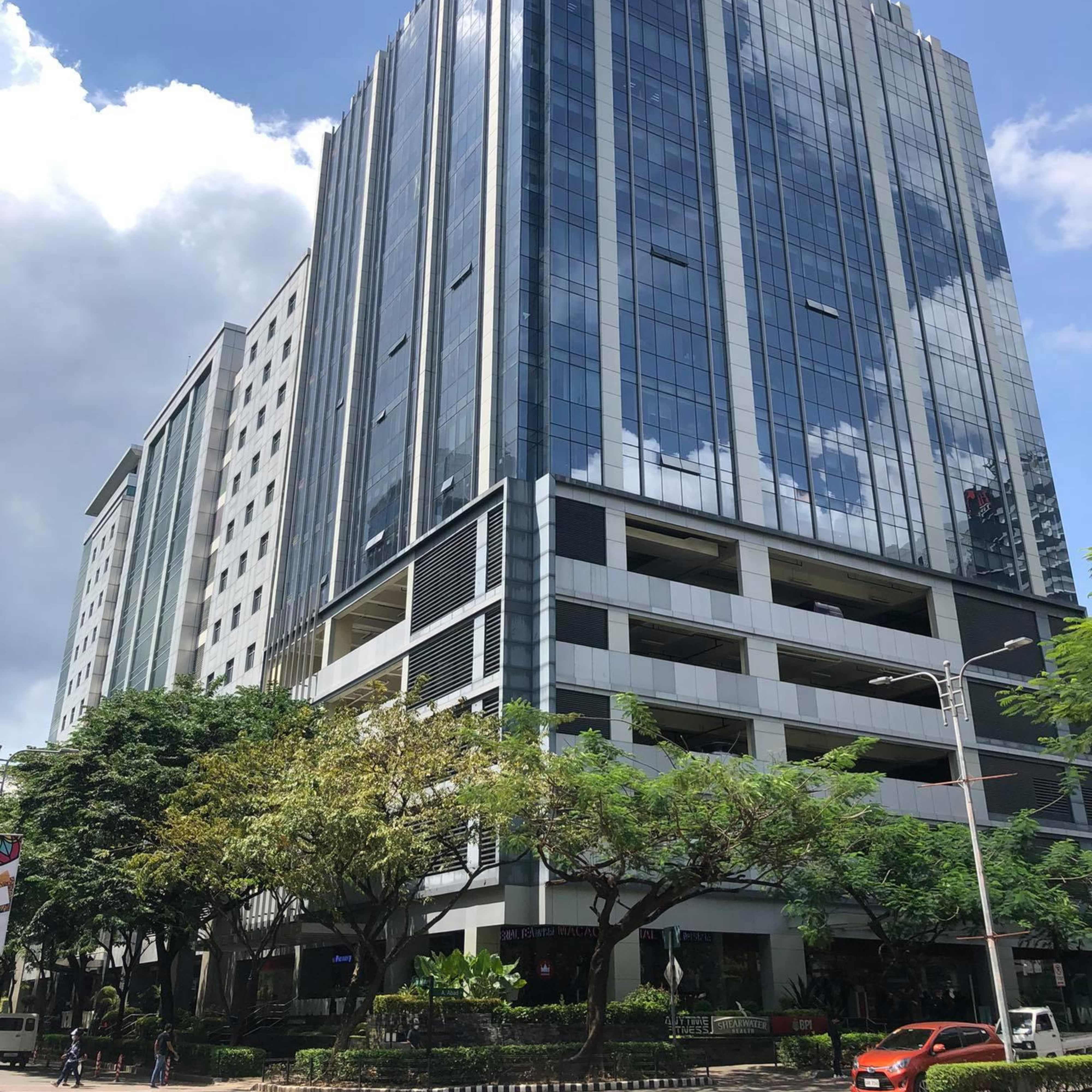
Mabuhay Tower at IT Park Cebu
Historically, Metro Manila dominated conversations surrounding offshore hiring and business process outsourcing in the Philippines. While Manila remains a major economic center, Cebu has steadily established itself as one of the country’s most competitive business hubs.
Several factors contribute to Cebu’s growing appeal among foreign employers.
First, Cebu offers access to a highly educated and globally competitive workforce. The city is home to respected universities and academic institutions that continue producing graduates across business, technology, communications, finance, healthcare, and digital industries.
Second, Cebu maintains strong English proficiency. According to the EF English Proficiency Index, the Philippines consistently ranks among the highest English-proficient countries in Asia. This continues to be a major advantage for international companies seeking seamless communication within distributed teams.
Third, Cebu offers operational sustainability that many global employers now prioritize. Compared to larger and more saturated metropolitan markets, Cebu often provides:
- lower attrition rates,
- stronger employee retention,
- and a more balanced labor market.
These factors are increasingly important as companies seek to reduce the long-term costs associated with aggressive turnover and repeated recruitment cycles.
Many organizations initially explore Employer of Record Philippines services because of cost efficiency. However, businesses that remain and scale successfully in Cebu often identify a different advantage altogether: workforce stability.
Cebu’s Workforce Is Evolving Beyond Traditional Outsourcing
One of the most outdated assumptions about the Philippines is that its workforce is primarily limited to customer service or administrative support functions.
In reality, Cebu’s talent ecosystem has evolved considerably over the past decade.
International companies are now hiring Cebu-based professionals for:
- digital marketing,
- recruitment operations,
- software development,
- financial analysis,
- project management,
- executive support,
- process improvement,
- creative services,
- and business operations management.
The rise of remote work has accelerated this transformation further.
As organizations become more comfortable managing distributed teams, hiring decisions are increasingly based on competence and communication rather than location alone.
According to a Deloitte Global Human Capital Trends report, organizations worldwide are placing greater emphasis on agility, adaptability, and human-centered workforce strategies. Cebu’s workforce aligns well with these evolving priorities due to its strong combination of technical capability and interpersonal communication skills.
This is one reason Employer of Record Cebu solutions are becoming increasingly valuable for companies seeking long-term operational expansion in the region.

The Importance of Cultural Compatibility in Remote Teams
One of the most underestimated drivers of remote team success is cultural compatibility.
Technical expertise alone does not guarantee effective collaboration. In globally distributed teams, communication quality, adaptability, and relationship management often play equally important roles in organizational performance.
Filipino professionals are widely recognized for their collaborative and relationship-oriented work culture. This becomes particularly valuable in remote environments where communication gaps can easily disrupt workflows and productivity.
Research from Harvard Business Review has repeatedly highlighted the importance of emotional intelligence, trust, and communication in high-performing remote teams. Companies that successfully build globally integrated workforces often prioritize these interpersonal dynamics during recruitment.
In Cebu, many professionals demonstrate strong alignment with these expectations. International employers frequently describe Filipino teams as:
- adaptable,
- resilient,
- collaborative,
- and highly responsive to feedback and process improvement.
These qualities contribute significantly to long-term retention and team cohesion.
For businesses hiring in the Philippines, understanding local workplace culture is just as important as understanding labor costs or technical qualifications.
Why Employer of Record Philippines Services Are Growing Rapidly
As international hiring becomes more common, many companies encounter a new challenge: compliance complexity.
Philippine employment regulations involve specific requirements related to:
- payroll,
- taxation,
- statutory contributions,
- employment classifications,
- leave policies,
- and labor protections.
For foreign companies unfamiliar with local employment frameworks, navigating these obligations independently can create unnecessary operational risk.
This is where Employer of Record Philippines providers play a critical role.
An Employer of Record allows businesses to legally hire employees in the Philippines without immediately establishing a local legal entity. The EOR provider manages:
- payroll administration,
- tax compliance,
- employment contracts,
- government contributions,
- and HR infrastructure.
This enables companies to focus on growth and operations while ensuring compliance with Philippine labor laws.
For organizations specifically targeting Cebu talent, an Employer of Record Cebu solution can provide additional local expertise that supports recruitment, onboarding, employee engagement, and retention.
As global hiring continues expanding, EOR models are increasingly becoming strategic workforce solutions rather than purely administrative services.
Cebu’s Growing Appeal to Startups and Scaling Companies
Large enterprises are no longer the only businesses exploring international hiring strategies.
Startups and growth-stage companies are increasingly leveraging global talent markets to improve scalability and operational efficiency.
According to data from PwC’s Future of Work studies, companies are placing greater importance on workforce flexibility and access to specialized talent. Many startups now prioritize lean operational structures supported by distributed teams.
Cebu aligns particularly well with this model.

Through an Employer of Record Philippines provider, startups can:
- build teams quickly,
- remain compliant,
- avoid large infrastructure costs,
- and access skilled professionals without establishing a local subsidiary immediately.
This allows businesses to allocate more resources toward:
- product development,
- customer acquisition,
- innovation,
- and market expansion.
For many scaling companies, Cebu provides an opportunity to build sustainable operational capacity without the financial pressure associated with traditional expansion models.
The Human Side of the Future of Work
Although discussions surrounding the future of work often focus heavily on technology and automation, one of the most important competitive advantages remains deeply human.
Modern organizations increasingly rely on:
- communication,
- trust,
- emotional intelligence,
- adaptability,
- and collaboration.
As teams become more geographically distributed, these interpersonal qualities become even more critical.
Research from Gallup consistently shows that employee engagement strongly influences productivity, retention, and organizational performance. Employees who feel connected to their teams and leaders are significantly more likely to remain engaged and committed.
This is particularly relevant in the Philippines, where workplace relationships often carry strong cultural importance.
Many Filipino professionals value:
- supportive leadership,
- team harmony,
- professional respect,
- and long-term career development.
Companies that recognize these cultural dynamics often build stronger and more resilient teams.
The future of work is not solely about accessing talent at scale. It is also about creating environments where employees can perform sustainably and remain engaged over time.
Conclusion: Your Next Strategic Move Starts Here
The future of work is no longer defined by where a company is headquartered. It is increasingly defined by where organizations can build high-performing, sustainable, and globally integrated teams.
The Philippines has steadily emerged as one of the world’s strongest talent markets for international employers, and Cebu is rapidly becoming one of its most strategic business hubs.
For companies exploring Employer of Record Philippines or Employer of Record Cebu solutions, the opportunity extends beyond administrative convenience or operational efficiency. It represents access to a workforce that is adaptable, highly capable, and increasingly aligned with the demands of modern global business.
As remote work continues reshaping the global economy, organizations that successfully combine international talent access with strong leadership and cultural understanding will likely be the ones best positioned for long-term growth.
Because the future of work is not being built in one city or one country anymore.
It is being built by globally connected teams — and Cebu is increasingly becoming one of the places leading that transformation.