Burning Out at Home? 5 Signals It’s Time for a Mandaue Day Pass

There was a time when working from home felt like winning. No suffocating commute. No dress code. No bumper-to-bumper traffic before your 9 AM call. Just your laptop, your favorite playlist, and the quiet comfort of your own space. Then, slowly, it stopped feeling like a win.
“Working from home” became “never really being off work.”
If you’ve been burning out at home lately — mentally checked out, always tired, but somehow always online — your environment might be doing more damage than you realize. Think about it: your bedroom became your office. Your dining table became a workstation. Lunch breaks disappeared. Screen time doubled. And the place that used to mean rest started feeling like a never-ending to-do list you could never escape.
Here’s the thing — you’re not the problem. Your setup might be.
Productivity isn’t always about discipline or motivation. Sometimes, it’s simply about being in the right space. That’s why more freelancers, remote workers, startup founders, and hybrid employees around Mandaue City are stepping away from their home setups and into coworking spaces — not as a permanent switch, but as a reset.
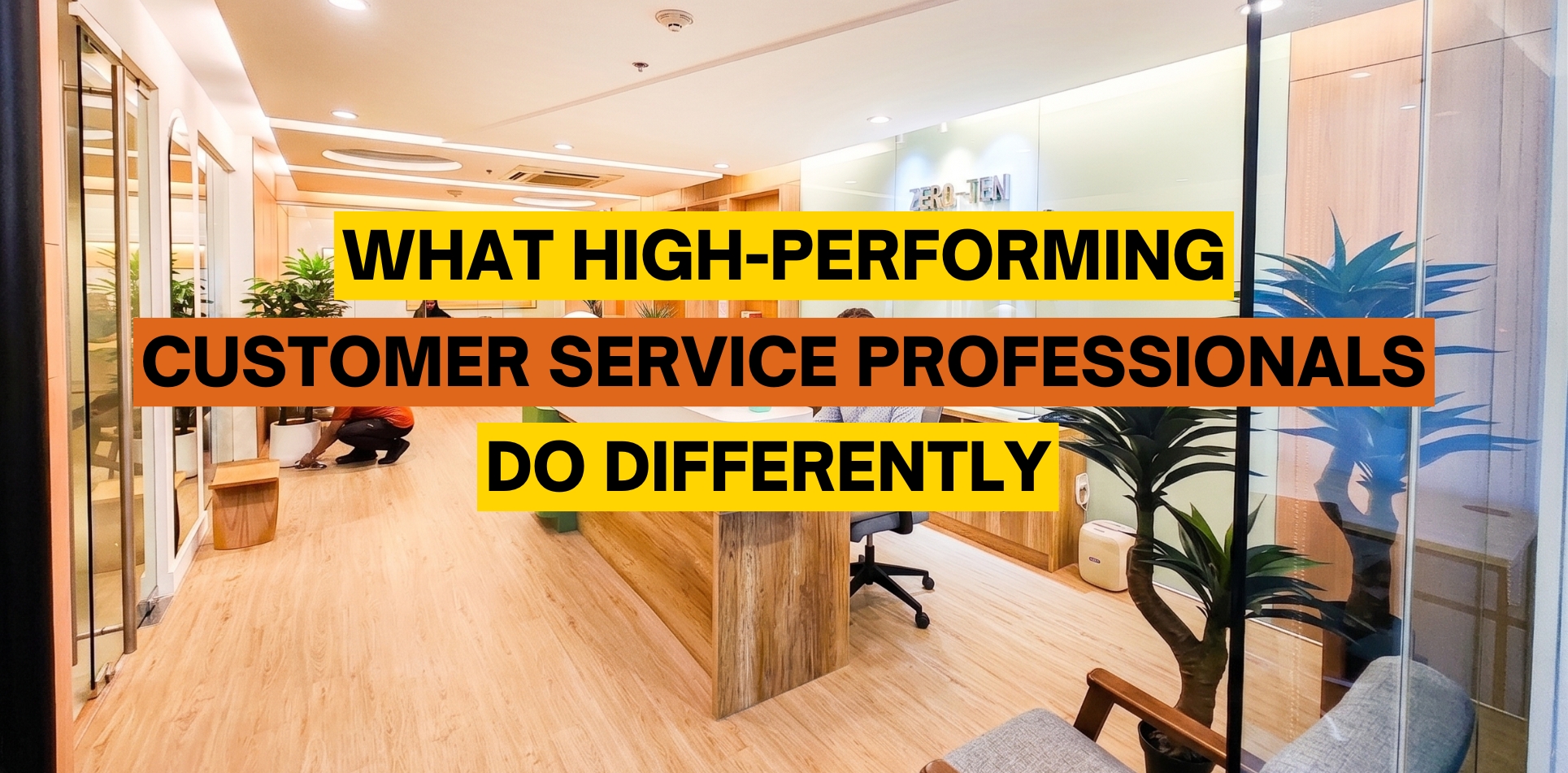
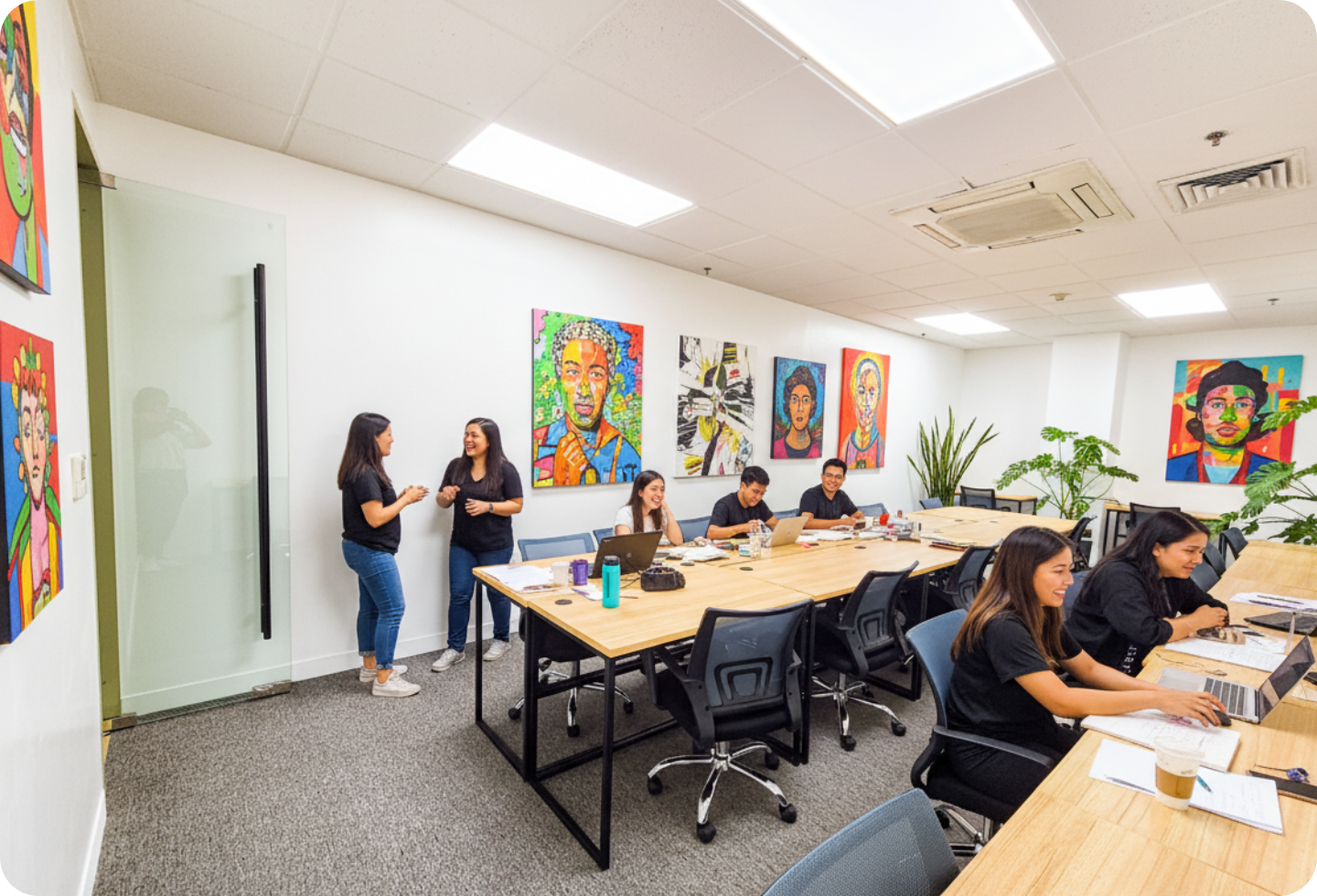
Office space in Mandaue, particularly at places like Zero-Ten Park Mandaue, gives you exactly what your home can’t right now: separation between work and life, a focused environment, and the quiet energy of being around other people who are also trying to get things done.
Not sure if you need it? Here are five signs it’s time to grab a day pass and try something different.
1. Clocked In, But You're Not Locked In
You started work at 9 AM. Somehow, it’s now 2 PM.
You didn’t slack off — not intentionally, anyway.
But somewhere between reorganizing your desktop, a “quick” scroll that turned into an hour, slowly answering emails, reheating the same cup of coffee three times, and staring at your screen while your brain buffered… the morning just disappeared.
That’s not laziness. That’s what working from home does to your focus.
The distractions at home aren’t dramatic. They’re quiet and relentless — a pile of laundry in the corner, background noise bleeding through the walls, a delivery at the door, someone calling your name, and your bed sitting dangerously close, looking more inviting by the hour.
You’re not failing at productivity. You’re trying to produce inside a space your brain associates with rest.
That’s the real problem.
A proper office space in Mandaue changes the equation the moment you walk through the door. Your brain gets a signal it recognizes: this is where work happens. You sit down. The internet works. The environment is quiet and focused. And suddenly, you’re not forcing yourself to concentrate — you just do.
You don’t need more discipline. Sometimes you just need a different room.
2. You're Burning Out at Home Because It's not a Home Anymore
One of the biggest downsides of remote work is losing the boundary between personal life and work life. When your office and home become the same place, your brain never fully relaxes.
You answer Slack messages from bed. You eat lunch during a meeting. You check emails at 11 PM because your laptop is always within arm’s reach. There’s no commute home to decompress. No physical signal that the workday is over.
And slowly, without noticing, it wears you down.
Psychologists call it the loss of a “third place” — a space outside your home and outside work that gives your mind permission to reset. Historically, it was a coffee shop, a library, a community space. For remote workers, that third place has quietly disappeared.
A coworking space fills that gap.
When you work from a dedicated office space in Mandaue — even just once or twice a week — something shifts. You leave home with intention. You work in an environment built for focus. And when you come back, you actually come back. Your home goes back to feeling like home.
That boundary isn’t a luxury. It’s what sustainable remote work actually looks like.
3. You’re Spending More Than Expected Trying to Work Comfortably
Working from home sounds ideal… until your bedroom starts feeling like a 24/7 office.
One minute you’re enjoying the flexibility, and the next, you’re answering emails in bed, eating lunch during meetings, and realizing you haven’t properly disconnected from work in weeks.
That “always-on” routine catches up fast — and it’s why coworking spaces are becoming so popular.
- Firm Boundaries: Establishing a clear physical and mental separation between your office and your home.
- Improved Focus: Escaping domestic distractions to sharpen your routine. Research indicates that 74% of workers in coworking facilities feel more productive.
- Social Connection: Breaking the “individual bubble” of isolated work to reduce the loneliness linked to clinical anxiety and depression.
- Mental Recovery: Using a professional environment to “close the mental loop” of work so you can truly rest when you return home.
4. You Miss Being Around People (Even If You Think You Don’t)
There’s a version of remote work that sounds ideal: no small talk, no office politics, just you and your work in peaceful quiet. But after weeks or months of it, the silence starts to cost you something.
Some days, your only human interaction is a few messages in a Slack channel. Motivation gets harder to find. Creative energy dries up. You’re not burned out from overworking — you’re drained from underconnecting.
This isn’t a personal failing. It’s just biology. Humans are wired to work better in the presence of other people — not necessarily with them, but near them.
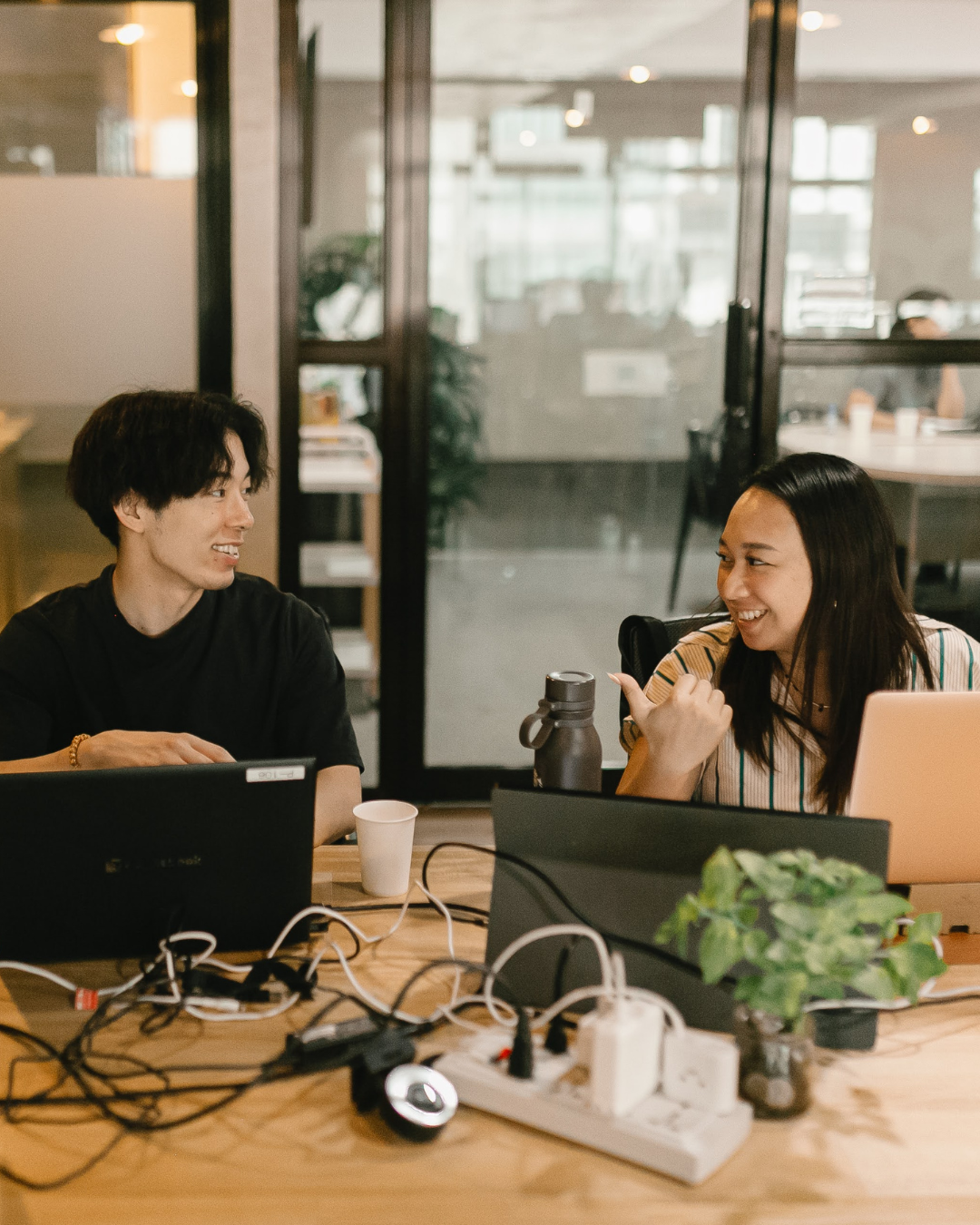
You don’t need networking events or forced team-building. Sometimes all it takes is seeing someone else focused at a desk across the room, hearing the low hum of a space that’s quietly alive, or grabbing a coffee next to another person who’s also building something. That ambient energy is enough to pull you back in.
Coworking spaces are built on exactly that balance.
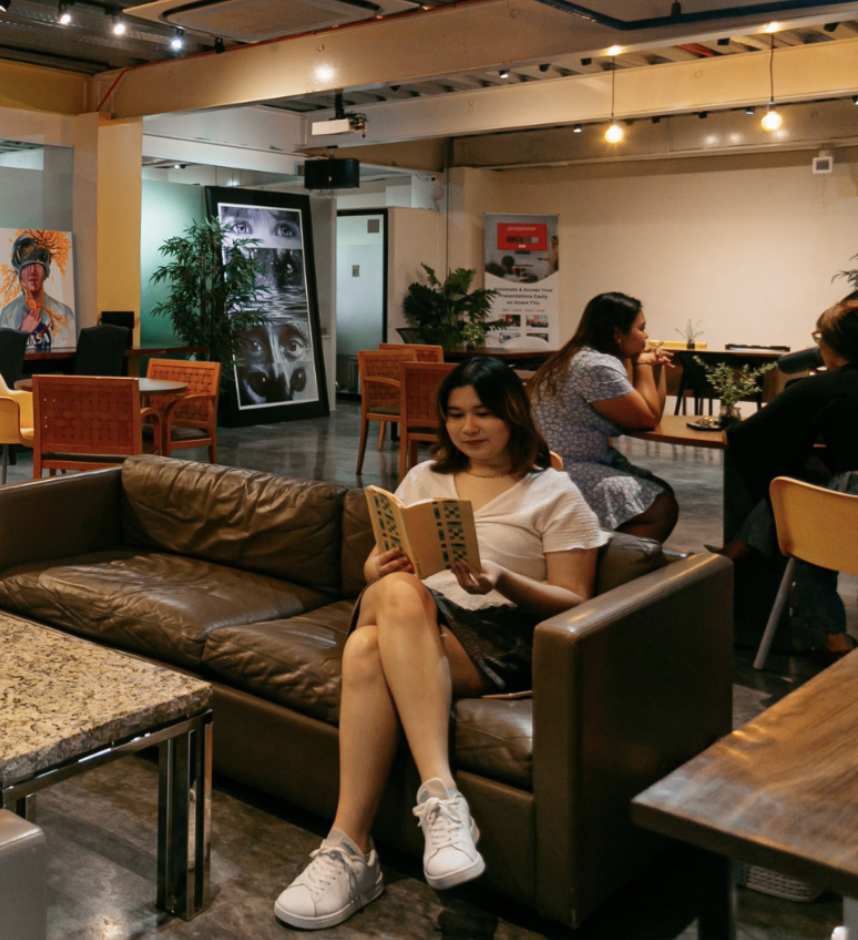
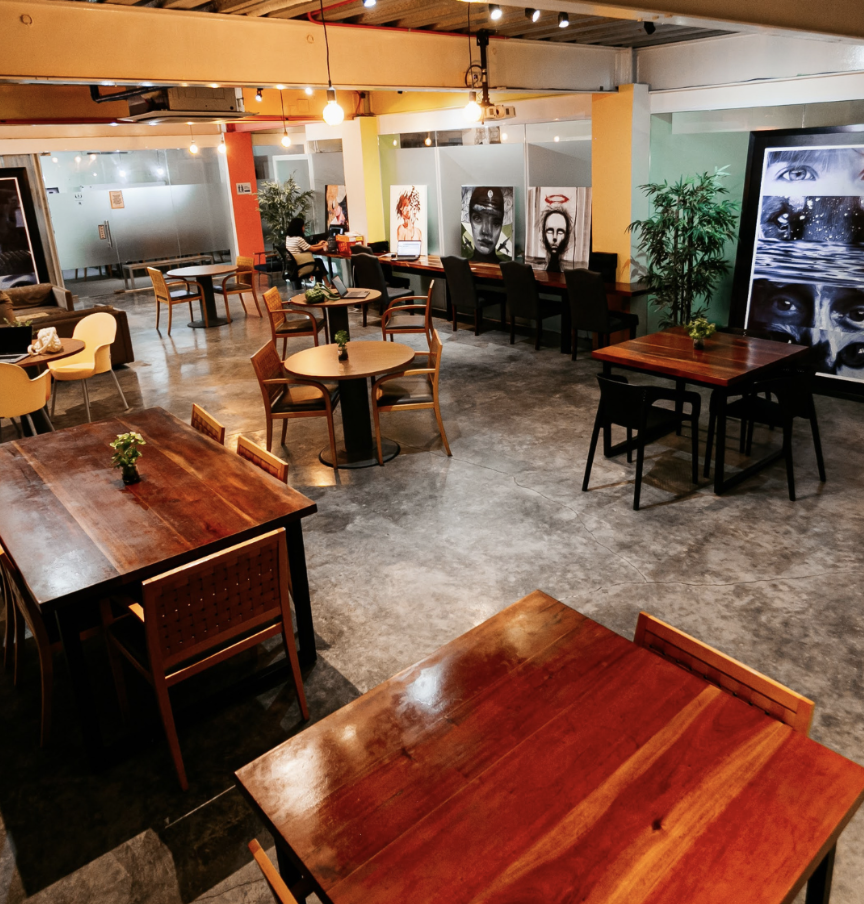
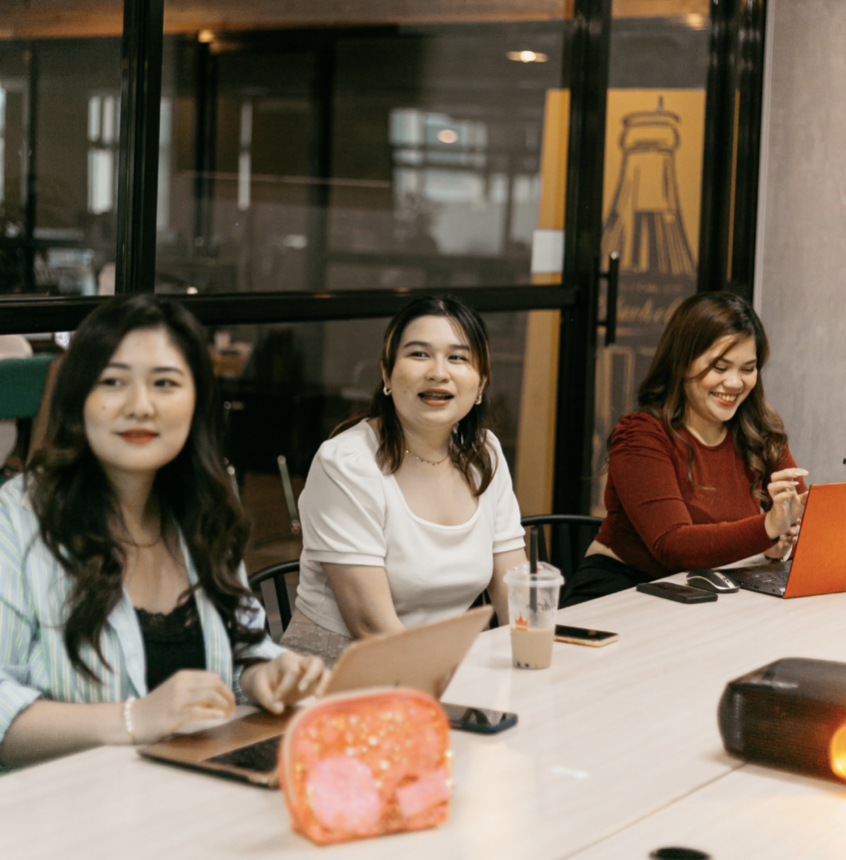
At a modern coworking space in Mandaue like Zero-Ten Park, you’re sharing space with freelancers, startup founders, creatives, remote employees, and growing teams — all working toward something of their own. The environment is relaxed and flexible, without the rigidity of a corporate office. But the energy? It’s contagious in the best way.
There’s a reason younger professionals and independent workers are gravitating toward these spaces. It’s not just about a desk and Wi-Fi. It’s about feeling the pull of a productive culture — and letting it carry you.
Find more about office culture in this article: The importance of work culture.
5. Repetitive Routines Burn You Out
Burnout Doesn’t Always Look Like Breaking Down.
Sometimes it’s quieter than that.
It’s procrastinating on tasks you used to enjoy. Struggling to start things you know you need to finish. Losing the excitement that used to make your work feel meaningful. Feeling exhausted at the end of a day where you technically never left the couch.
That’s not laziness. That’s what happens when every single day unfolds in the same room, at the same desk, in the same routine — with no signal to your brain that anything has changed.
Without transitions, everything blurs. Work bleeds into rest. Morning bleeds into evening. And eventually, your mind stops switching gears altogether.
Your environment is doing more than you think.
The simple act of going somewhere — packing your bag, commuting to a space, sitting down somewhere that isn’t your bedroom — creates a mental cue that your brain actually responds to. It says: today is different. Today, we work.
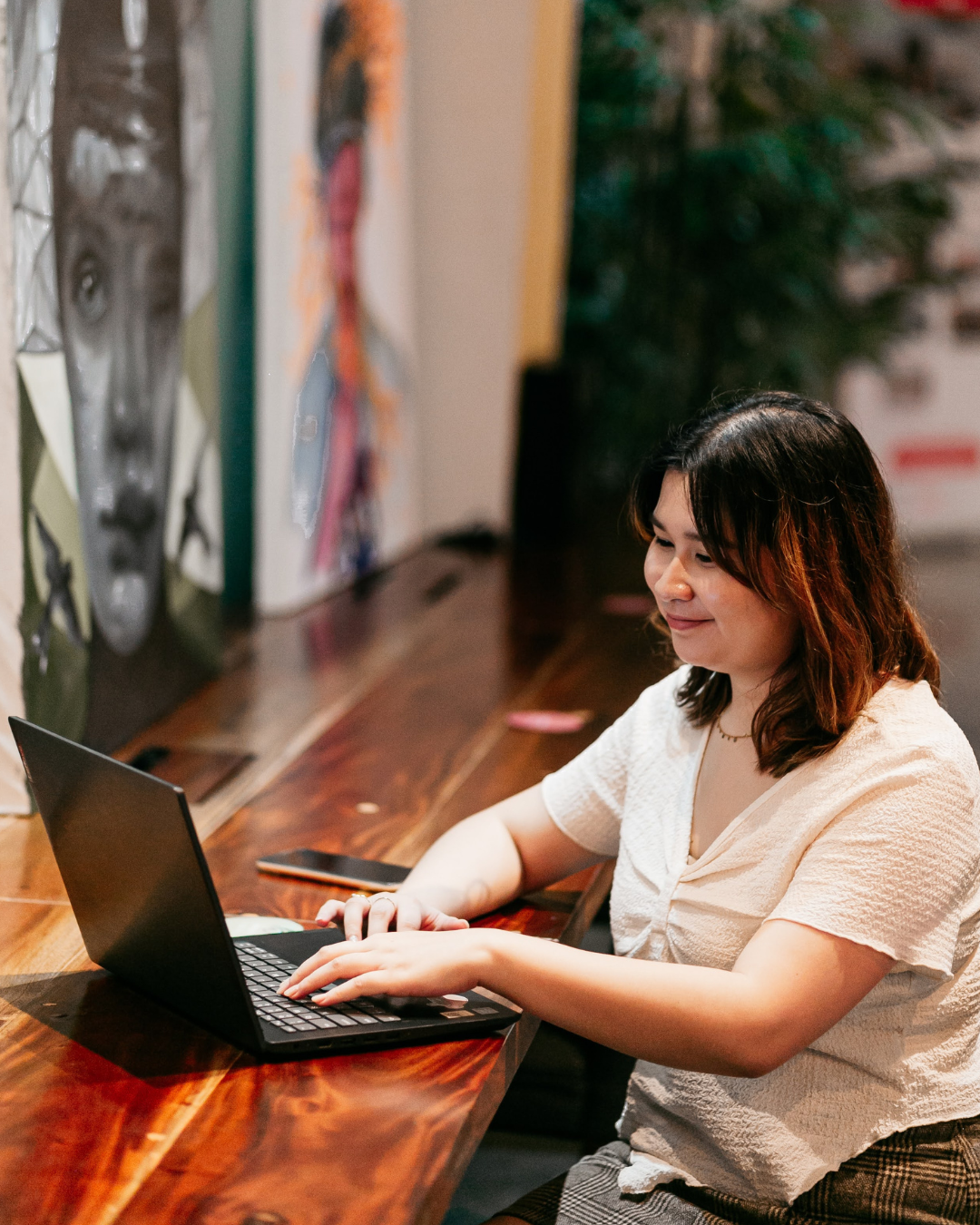
Grabbing a day pass at a coworking space in Mandaue doesn’t require a life overhaul. You’re not signing a lease or committing to anything permanent. You’re just giving yourself a different room for a day — and sometimes, that’s exactly enough to break the cycle.
You wake up with a reason to get ready. Your morning has direction. Your brain recognizes the shift. And by the time you sit down, focus comes a little easier — because everything around you is telling you it’s time.
You don’t need a dramatic change to feel better about your work. Sometimes you just need a reset.
Why Flexible Coworking Spaces Are Growing in Mandaue
Not everyone needs a massive corporate office.
That’s why demand for flexible office space in Mandaue continues to grow.
Coworking spaces make sense for freelancers, hybrid workers. remote employees, digital nomads, startup founders, small teams, creatives, or even students reviewing for exams or certifications.
And the best part? You don’t need to commit to a long-term lease just to access a productive environment.
Spaces like Zero-Ten Park Mandaue offer a more modern approach to working — one that prioritizes comfort, productivity, and flexibility without the pressure of traditional office setups.
Whether you need a quiet place to finish deadlines, hold meetings, or simply get out of the house for the day, coworking spaces provide an accessible solution that fits how people actually work now.
Why Flexible Coworking Spaces Are Growing in Mandaue
Working from home isn’t inherently bad.
But when your home starts feeling mentally exhausting instead of comforting, it might be time to change your environment.
A coworking day pass isn’t about pretending to be busy or corporate.
It’s about creating healthier boundaries between work and personal life. Down the line, this will improve your focus at work. Rebuilding your routine will help reduce your burnout.
Sometimes, all it takes is one good workday in the right environment to feel like yourself again.
And if you’ve been feeling stuck lately, a flexible coworking space in Mandaue might be exactly the reset you need
Ready to Rethink Your Workspace?