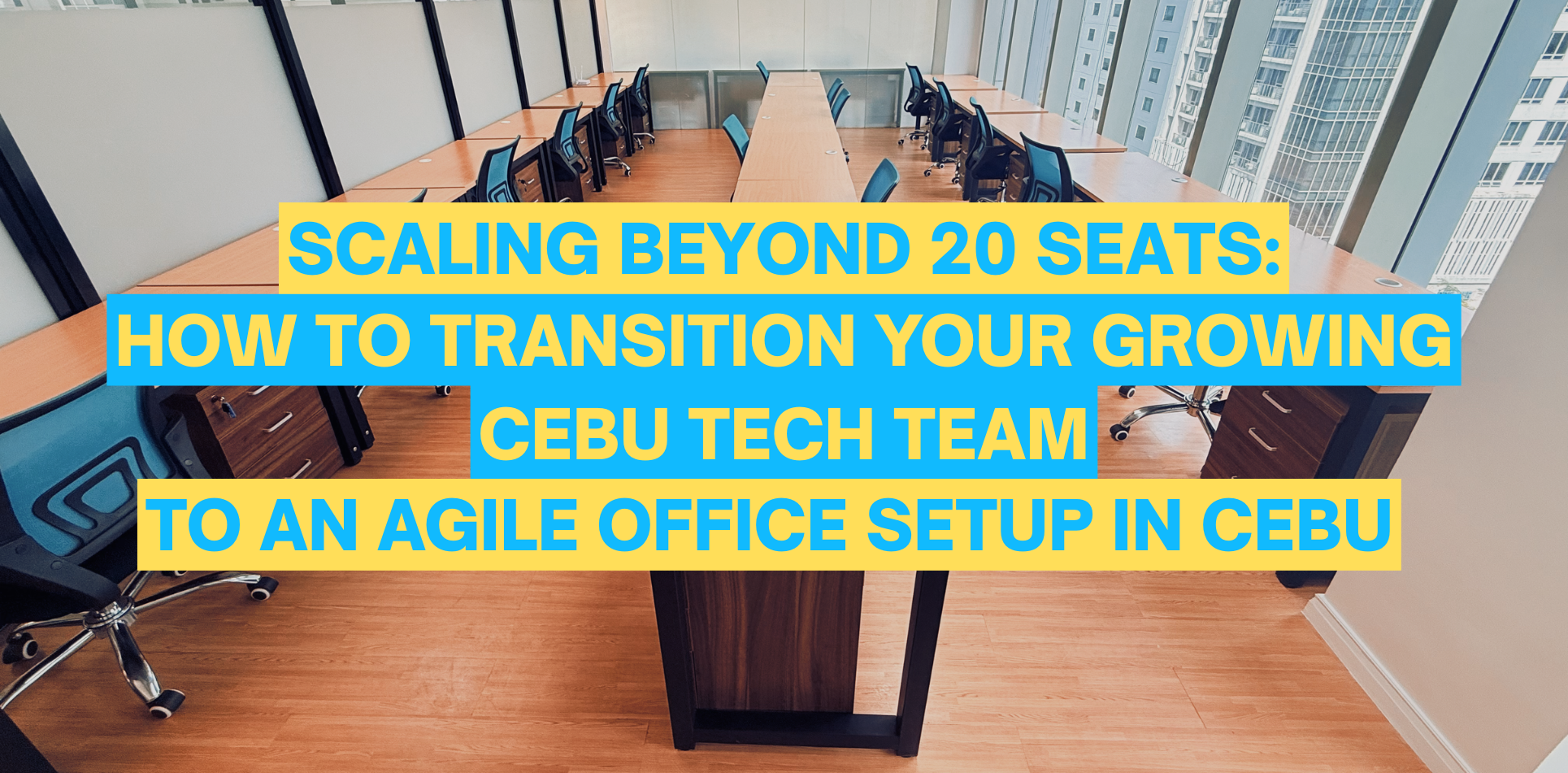
Scaling Beyond 20 Seats: 5 Proven Strategies to Transition Your Growing Cebu Tech Team to an Agile Office Setup in Cebu

Office setup in Cebu decisions often seem straightforward during a company’s early stages. When your team consists of five developers, two marketers, and a founder working from local coffee shops or a small coworking space, finding room for everyone isn’t difficult. The real challenge begins when growth starts accelerating. A new client signs a long-term contract, a funding round closes, or your product gains traction, and suddenly the team grows from 10 people to 20, then 25, and then 30. While this expansion validates years of hard work and uncertainty, it introduces a major operational hurdle that rarely gets enough attention: workspace scalability. Most founders spend countless hours optimizing hiring pipelines, product development, and customer acquisition, yet very few think about whether their physical workspace can keep pace with their headcount.
Unfortunately, this oversight becomes a problem faster than many expect. The office environment that worked perfectly for a 10-person team quickly becomes restrictive once headcount doubles. Desks become crowded, meeting rooms become impossible to book, and teams become fragmented, causing daily productivity to slip. While many businesses instinctively respond by searching for larger traditional commercial offices, this legacy solution often creates more problems than it solves in today’s fast-moving business environment. The reality is that scaling tech companies need flexibility far more than permanence. Because growth rarely happens in a straight line—teams expand, contract, and reorganize continuously—locking a growing company into a rigid real estate arrangement can slow down the exact momentum that made the business successful in the first place. This is why forward-thinking founders are shifting toward agile workspace models that scale alongside their headcount, transforming flexibility from a simple convenience into a core competitive advantage. For businesses trying to figure out an efficient office setup in Cebu, staying asset-light is the path forward.
Why the 20-Seat Threshold Changes Everything
The first 10 to 15 employees usually fit comfortably into almost any casual workspace or open-plan layout. Once a company crosses the 20-seat mark, however, operational complexity increases dramatically as communication becomes more structured, distinct departments start forming, and project coordination grows complex. This transitional phase is where many companies discover that workspace planning directly impacts bottom-line business performance. A growing team needs more than just a cluster of desks; it requires a highly specialized infrastructure. Managers require private meeting spaces for sensitive one-on-ones, development teams need quiet zones for deep coding work, sales teams need isolated areas for client calls, and leadership needs dedicated strategic planning spaces.
Without this diversified infrastructure, productivity begins eroding in subtle, frustrating ways. Employees spend valuable time wandering around looking for available desks, loud meetings interrupt focused engineering work, and separate departments become disconnected from one another. When the physical workspace itself starts creating daily friction, collaboration suffers. This is precisely why scaling tech companies begin evaluating more sophisticated office setup in Cebu solutions once they approach the 20-seat threshold. The fundamental question is no longer just where employees can sit, but whether the physical environment actively supports their growth.
💡 Deep Dive Resource: To understand how modern teams unlock optimal output through intentional workplace design, check out our guide on the 6 Proven Benefits of Ergonomic Coworking Spaces for Productivity.
The Traditional Lease Trap
When businesses outgrow their initial workspace, traditional commercial offices often appear to be the obvious, mature next step. After all, having your own dedicated office space with your corporate logo on the glass door feels like a definitive sign of market stability. However, traditional commercial leases create massive, unnecessary financial risks for rapidly scaling businesses. Most commercial landlords in major hubs require rigid commitments ranging from three to five years. While that timeline may sound manageable when signing the paperwork, three years can feel like an eternity for a high-growth tech startup looking for a stable office setup in Cebu.
Imagine signing a fixed lease based on today’s exact headcount. Six months later, your team expands by 50% due to a sudden project boom, rendering the space unusable. Conversely, a year later you might transition to a hybrid work model or open a satellite operation in another city, leaving you paying for expensive, half-empty square footage. According to workplace research from the JLL Workplace Insights Report, modern organizations increasingly prioritize flexible real estate strategies because modern business needs change much faster than traditional land contracts can accommodate. For a scaling company, operational agility matters far more than fixed square footage.
💡 Deep Dive Resource: Ready to bypass legacy real estate constraints? Discover How Traditional IT Park Tenants Are Switching to Flexible Workspaces to keep their operations lean and dynamic.
The Hidden Costs Most Founders Underestimate
Many founders focus exclusively on the base monthly rent when evaluating a traditional commercial office setup in Cebu project. This narrow focus is a costly mistake, as the actual cost of maintaining a traditional office extends far beyond the core lease itself. When taking on a raw commercial space, businesses must absorb a mountain of upfront and ongoing expenses, including:
-
Office fit-out, interior design, and major structural renovations
-
Commercial-grade furniture and ergonomic desk purchases
-
Dedicated enterprise fiber internet routing and IT infrastructure
-
Variable monthly utility bills and heavy air conditioning maintenance
-
Daily cleaning services, security systems, and biometric access control
-
Audio-visual meeting room equipment and ongoing facility management
These capital expenses continue accumulating long after move-in day, transforming what initially appeared to be a cost-effective solution into a significant operational burden. This is particularly problematic for growing startups where precise capital allocation is a matter of survival. Every peso spent maintaining physical office infrastructure is a peso that cannot be invested in engineering talent, product development, or market expansion. A modern, optimized office setup in Cebu completely eliminates these hidden costs, allowing leadership to redirect limited resources toward growth rather than real estate overhead.
Why Agile Workspaces Are Becoming the New Standard
Modern businesses increasingly view physical office space the exact same way they view their software infrastructure: they want scalability, flexible terms, predictable monthly costs, and the ability to adapt instantly. This conceptual shift has accelerated the adoption of flexible, agile workspaces globally. Landmark data from the CBRE Flexible Office Trends Report shows that organizations adopting flexible workspace strategies significantly improve their operational responsiveness while simultaneously reducing real estate risk.
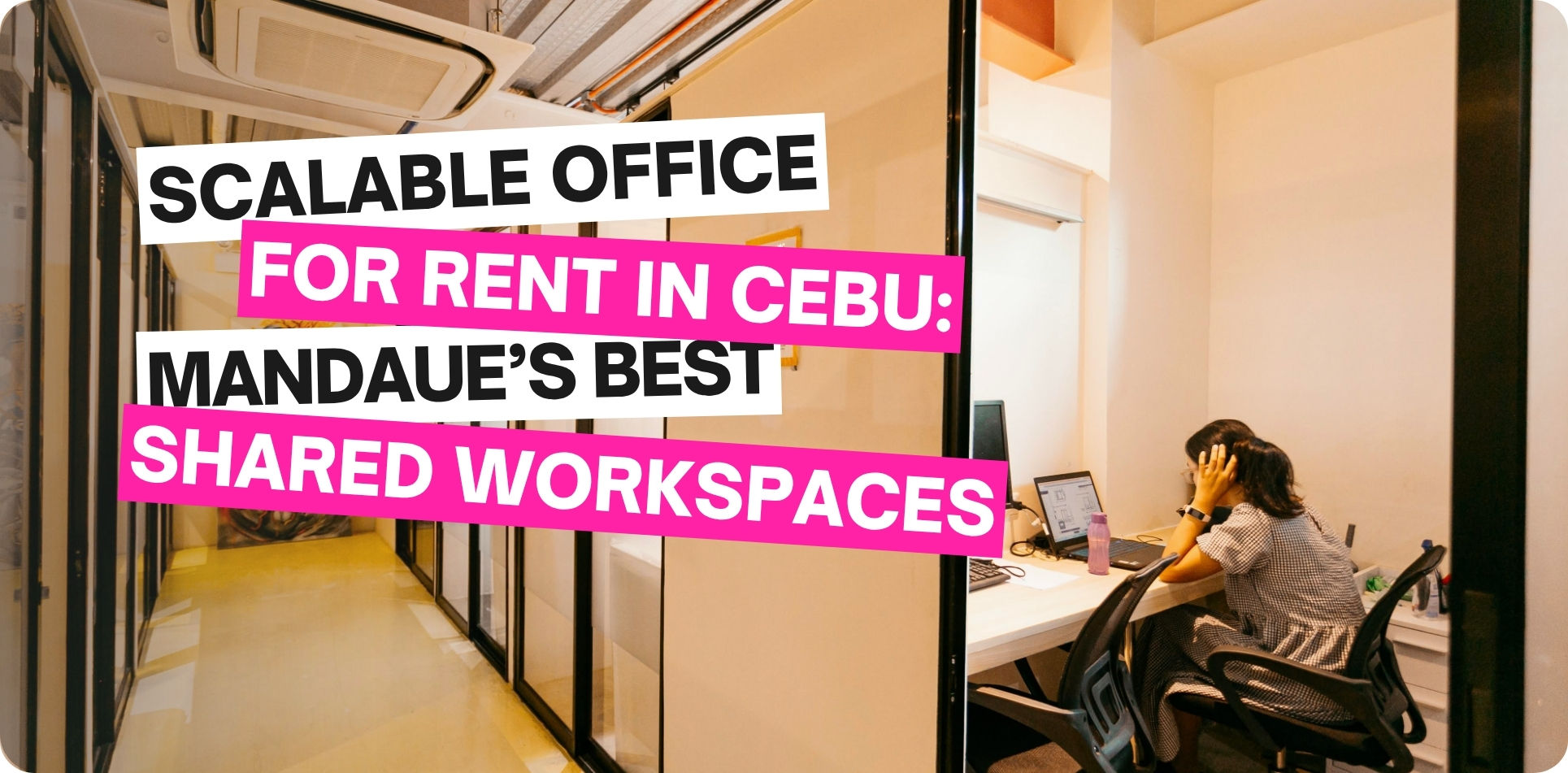
For scaling tech companies, this operational buffer matters enormously. An agile workspace can expand or modify its layout alongside your team without forcing major structural disruptions or moving days. Instead of forcing founders to project their real estate needs three to five years into an unpredictable future, choosing a managed office setup in Cebu allows businesses to adjust their physical footprint based on real-time headcount needs, creating a resilient, risk-mitigated growth model.
Additionally, this operational model eliminates the complex administrative and legal bottlenecks typical of corporate registration in the Philippines. Tech companies leveraging an agile setup instantly secure a compliant primary address that seamlessly satisfies the stringent, sequential licensing pipelines enforced by Local Government Units (LGUs) and the Bureau of Internal Revenue (BIR). By side-stepping the multi-month lease amendment delays and zoning scrutiny that often paralyze expanding entities, founders can confidently channel their capital away from idle landlord security deposits and directly into aggressive market expansion, customer acquisition, and technical talent.
The Advantage of Large Team Workspace Cebu Solutions
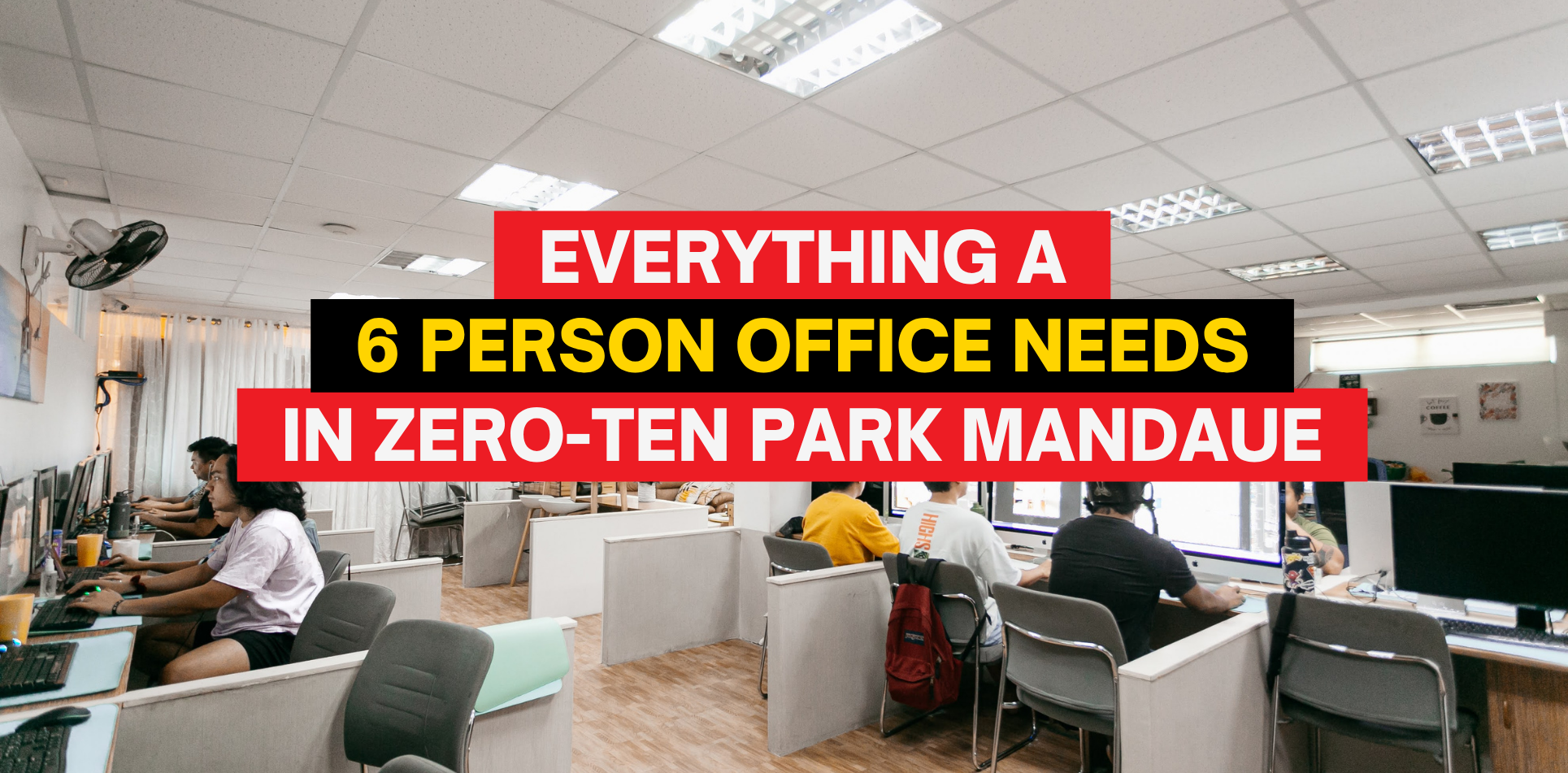
Many traditional coworking spaces are designed primarily for independent freelancers and small, three-person teams. Once a tech company’s headcount reaches 20 or more, these standard shared environments become highly impractical. Growing enterprises require larger, more coordinated, and cohesive work environments. This is where dedicated large team workspace Cebu solutions become incredibly valuable. Instead of scattering your growing workforce across different random hot desks or entirely different floors, larger, dedicated workspace layouts allow teams to remain physically and culturally connected.
Within a unified workspace, internal communication becomes seamless, collaboration improves, and company culture develops naturally. Leaders gain better visibility into daily operations without resorting to micromanagement. For technology companies specifically, physical proximity matters. Developers collaborate and debug faster when seated near one another, designers and product managers coordinate UI/UX changes efficiently, and customer support teams respond to urgent tickets more quickly. Securing a large team workspace ensures that physical alignment translates directly into improved organizational alignment.
Why 26 Seats Is a Strategic Sweet Spot
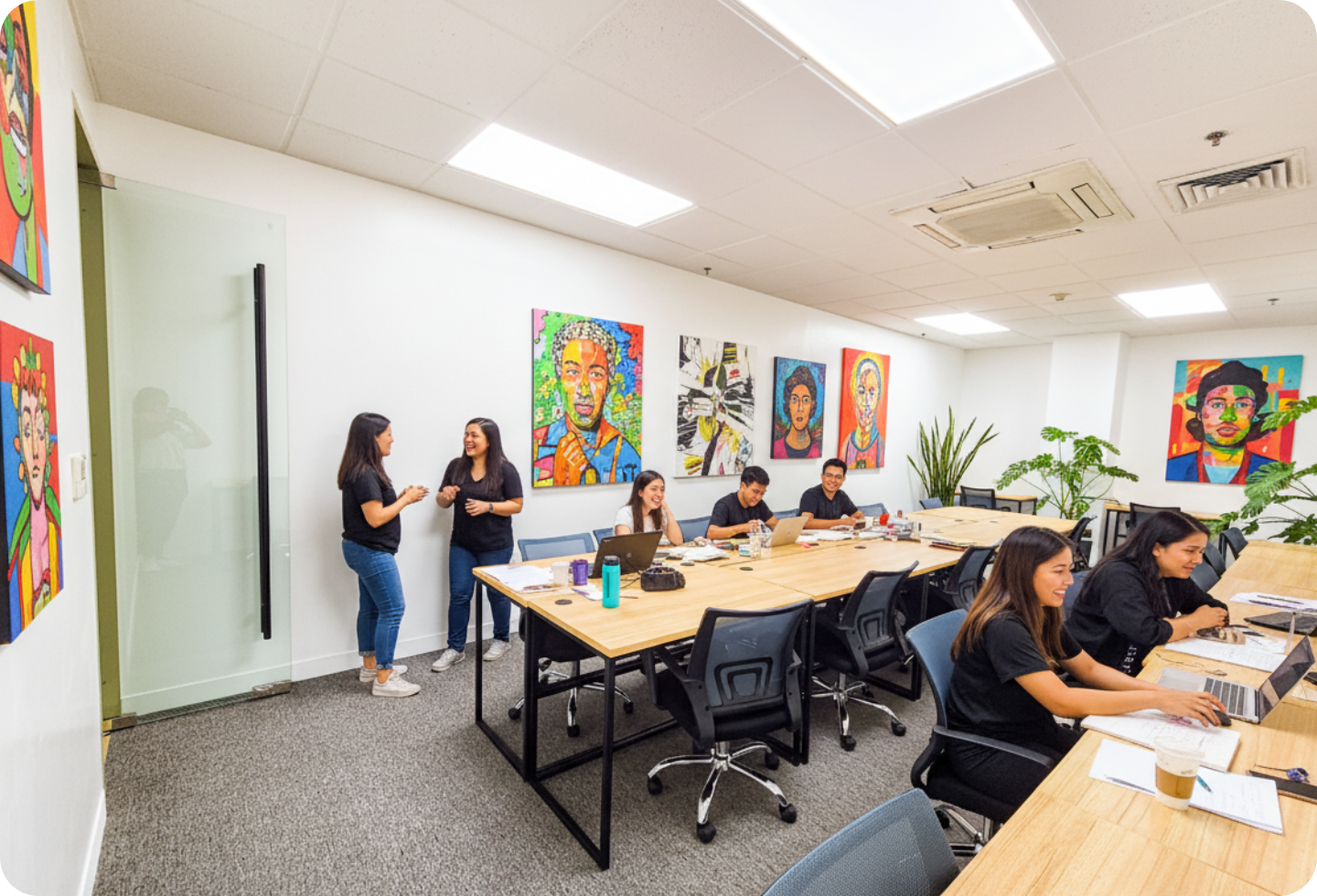
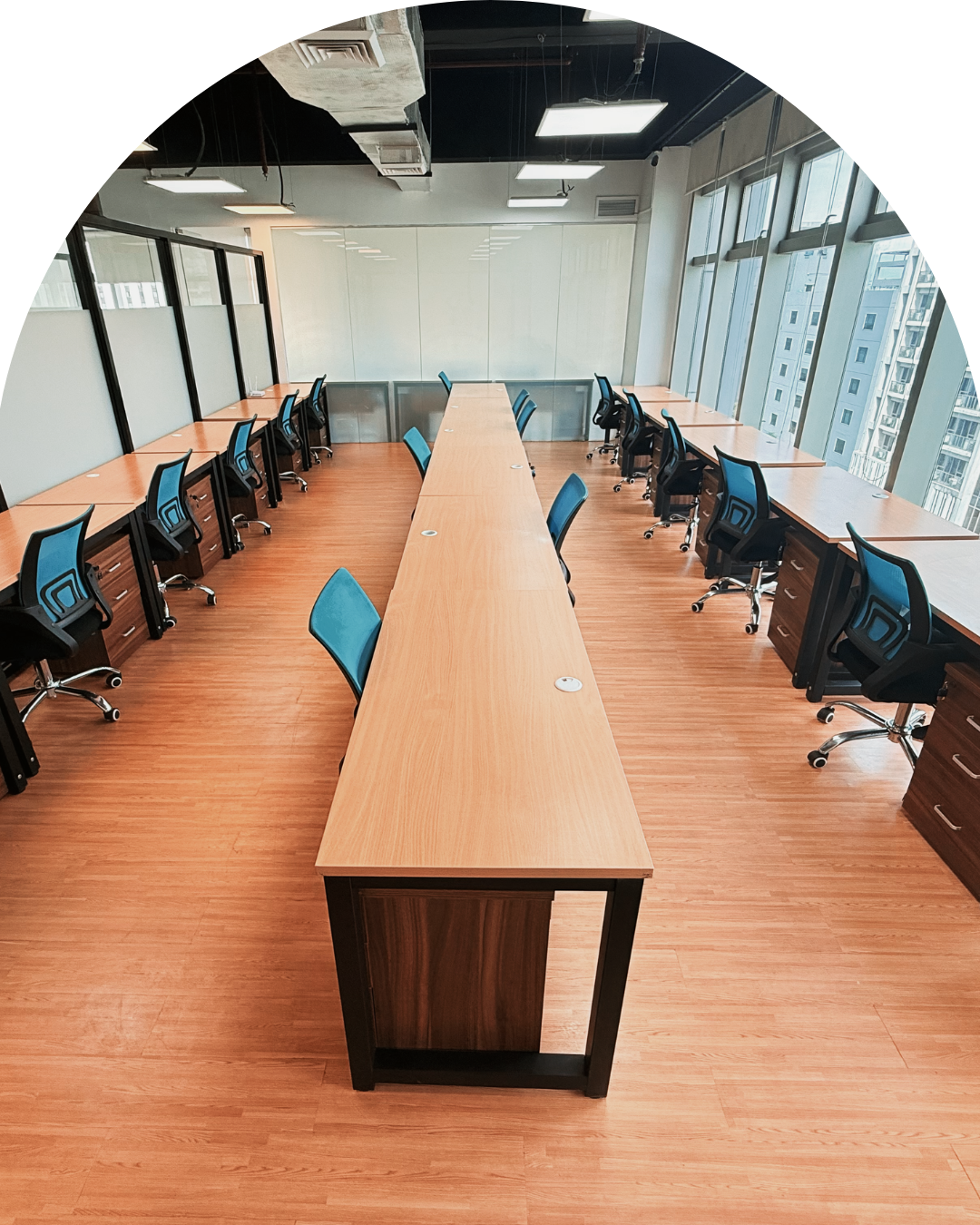
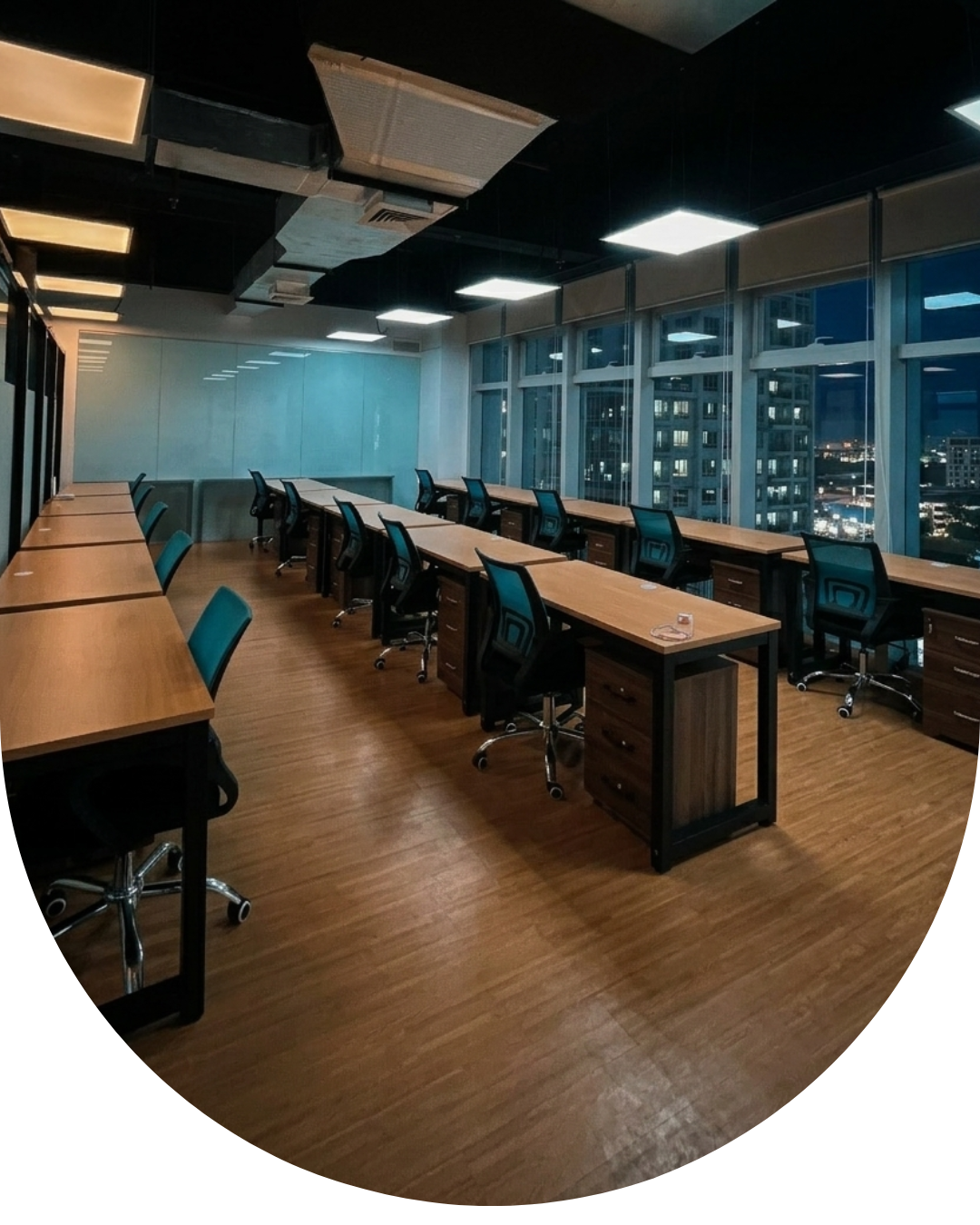
Many founders underestimate how uniquely useful a 26-seat office layout can be during an expansion phase. At first glance, it may seem like an oddly specific number, but in reality, it represents a highly strategic sweet spot for growing teams. A 26-seat environment provides the perfect capacity to house a complete cross-functional tech unit, easily accommodating a core development team, project managers, quality assurance specialists, customer support staff, and executive leadership roles, while still leaving a comfortable buffer for future hiring growth.
More importantly, configuring a 26-seat layout for your office setup in Cebu creates room to scale without immediately triggering another disruptive office transition. One of the biggest operational roadblocks growing companies face is moving too frequently, as each physical relocation consumes massive amounts of time, capital, and management attention. A properly planned managed workspace minimizes these costly interruptions by providing ample space for current operations while comfortably buffering future headcount expansion for your scaling tech team.
Beyond operational stability, this precise footprint serves as an ideal financial springboard for teams optimizing their capital efficiency. In a 26-seat environment, the cost-per-seat ratio reaches maximum efficiency, allowing leadership to maintain low overhead while enjoying the structural advantages of a dedicated, private corporate wing. This capacity gives you the leverage to easily split your workforce into dedicated cross-functional squads—such as a front-end pod, a back-end pod, and a QA team—without causing operational friction or breaking the bank. It provides an enterprise-grade presence that keeps your scaling tech team unified and productive, giving you a runway of 12 to 18 months of growth before you ever have to consider the logistics of a larger physical footprint.
Custom Built-to-Suit Spaces for Enterprise Teams
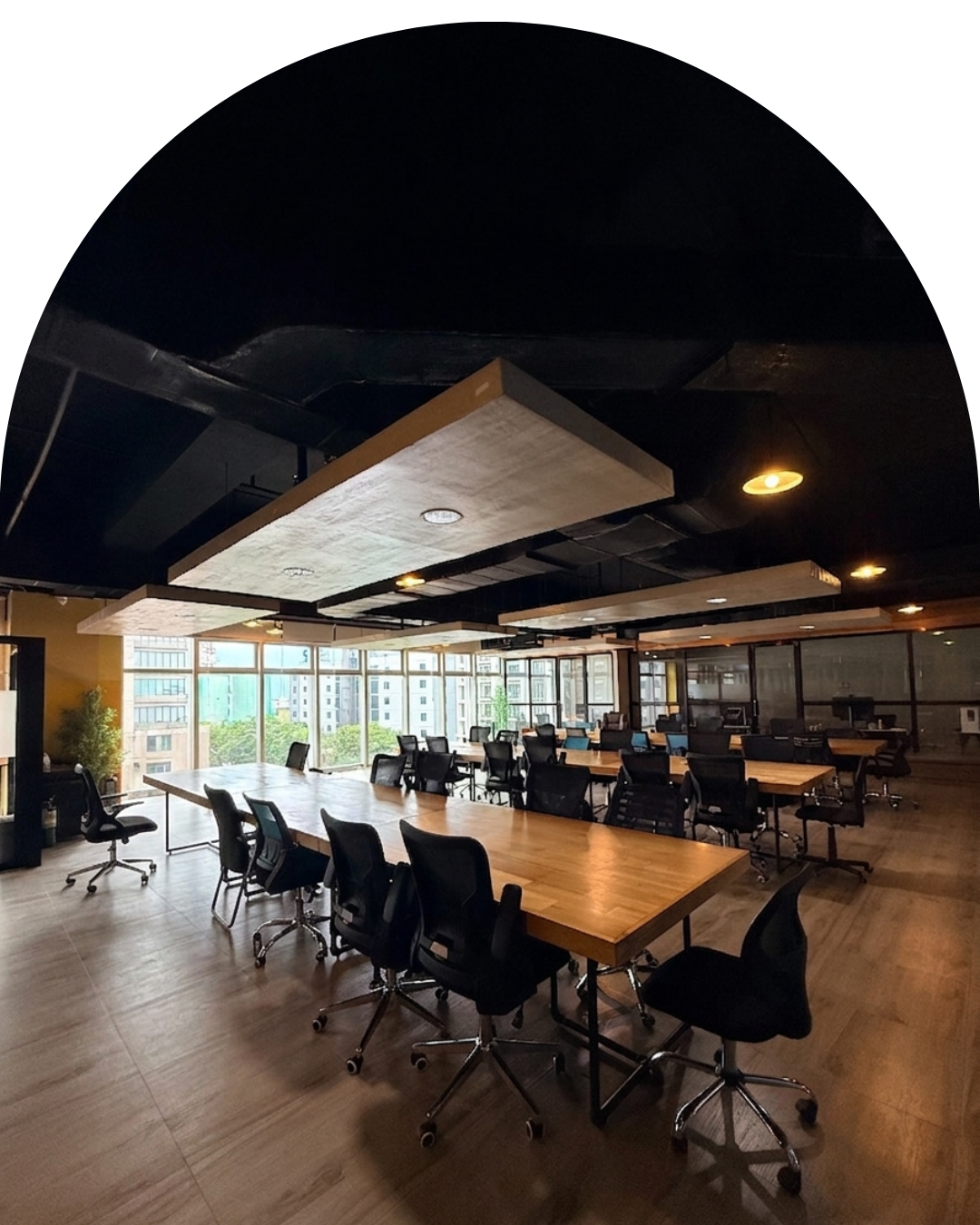
As organizations continue to scale beyond the initial growth phase, standardized, one-size-fits-all workspace layouts may no longer satisfy their technical workflows. Different businesses operate under completely different operational models; a specialized software engineering firm has vastly different spatial requirements than a creative digital design agency, just as an intensive development firm has different privacy needs than a 24/7 customer support operation. This is why custom, built-to-suit office environments have become increasingly attractive to enterprise teams looking for a permanent yet modular office setup in Cebu.
Custom workspace configurations allow scaling businesses to align their physical environments directly with their daily operational workflows. This includes adding dedicated internal meeting rooms, private executive offices, collaborative sprint zones, quiet focus areas, and specialized training rooms, all designed around actual day-to-day business needs rather than generic, pre-made office templates. For a scaling tech team, this precise spatial customization translates directly into measurable productivity gains and reduced workplace friction.
💡 Deep Dive Resource: When shopping for the ideal enterprise-grade environment, explore the 7 Essential Features to Look for in a Coworking Space in Cebu IT Park to maximize your team’s utility.
Supporting Hybrid Work Without Losing Culture
One of the biggest challenges facing growing organizations today is maintaining a cohesive company culture while simultaneously supporting employee flexibility. While the vast majority of tech professionals appreciate hybrid work due to reduced commute times and improved work-life balance, fully remote operations frequently create severe disconnects around asynchronous communication, hands-on mentorship, and overall team cohesion.
An agile office setup in Cebu strategy allows companies to perfectly balance both corporate priorities. By utilizing an agile hub, employees gain the remote flexibility they desire, while leaders maintain clear operational visibility, teams preserve close-knit collaboration during critical sprint days, and corporate culture remains fully intact. This balanced hybrid approach has become the standard model for any scaling tech team because it offers the clear operational benefits of flexibility without sacrificing human connection.
The Hiring Advantage of Better Workspaces
The global and local recruitment landscape for top-tier tech talent has become incredibly competitive, particularly in regional hubs. Elite developers, engineers, and data scientists now evaluate their physical and cultural workplace experience alongside baseline salary and health benefits. Candidates actively look for progressive environments that support their productivity, physical wellbeing, and career growth.
A modern, highly agile office setup in Cebu sends a powerful psychological message to prospective hires. It demonstrates a clear corporate investment in employee comfort, reflects organizational maturity, and dramatically improves first impressions during final in-person interviews. For international companies establishing a fresh footprint in the Philippines, the quality of the workspace can significantly tip hiring outcomes in their favor. A thoughtfully designed layout tailored for a scaling tech team frequently becomes an unexpected, highly effective recruitment advantage.
Reducing Management Distractions
One of the most overlooked benefits of transitioning to a managed, flexible office solution is the immediate return of leadership focus. Founders, product managers, and tech leads should spend their valuable hours building great products, refining services, and scaling businesses—not managing physical facilities. Yet, traditional offices demand constant, exhausting operational attention, quickly pulling leadership away from their core roles to handle:
-
Sudden internet downtime and commercial ISP troubleshooting
-
Air conditioning malfunctions and facility repairs
-
Coordination with building vendors, landlords, and cleaning staff
-
Monthly utility bill tracking and localized compliance management
-
Security administration, access card errors, and reception oversight
These tactical facility tasks accumulate rapidly. Every hour your executive team spends dealing with office infrastructure issues is an hour completely lost from growing your business. Agile, flexible solutions resolve these friction points, proving that a turnkey office setup in Cebu eliminates this administrative burden entirely. The premium enterprise infrastructure is already in place from day one, dedicated onsite support teams handle daily facility operations, and leaders regain the valuable time they need to execute high-level strategies. A managed office setup in Cebu removes many of the operational burdens that typically consume leadership attention.
The Cost of Outgrowing the Wrong Office Setup in Cebu
One of the biggest mistakes scaling companies make is assuming their current workspace will continue supporting future growth. In reality, an office setup in Cebu that works perfectly for a 10-person startup may become a major operational obstacle once headcount doubles. As teams expand, workspace challenges begin appearing everywhere. Meeting rooms become fully booked. Collaboration areas become crowded. Departments become fragmented. Leadership spends more time solving space problems than driving growth initiatives.
This issue becomes even more visible for a scaling tech team. Software developers require focus zones. Sales teams need private call areas. Project managers require collaborative planning spaces. Without the right office setup in Cebu, productivity naturally declines because the environment no longer supports the way teams actually work. The most successful companies treat workspace planning as part of their growth strategy rather than an afterthought. They understand that a flexible office setup in Cebu allows them to expand without constantly relocating, renegotiating leases, or disrupting operations. For a large team workspace, scalability matters just as much as location. The goal isn’t simply adding more desks. The goal is creating an environment that supports communication, collaboration, and growth at every stage of the business.
Why Cebu Remains a Strategic Growth Hub
Cebu continues to attract world-class technology companies, software development firms, multinational BPOs, and homegrown startups for several compelling reasons. The local talent pool remains exceptionally strong, fed by premier regional universities producing thousands of technically proficient graduates every year. Additionally, localized operational costs remain highly competitive compared to over-saturated global capitals, and the region’s digital infrastructure and international connectivity continue to improve rapidly, reliably supporting round-the-clock global operations.
The city’s central geographic location also makes it a highly attractive launchpad for companies looking to expand throughout the broader Southeast Asian market. As more international organizations establish their operations locally, the demand for scalable, premium office setup in Cebu solutions continues to rise. Forward-thinking businesses increasingly recognize that workspace flexibility is no longer just an administrative detail, but a fundamental asset that actively supports long-term corporate growth. In the modern tech economy, a premium location matters, but the built-in ability to adapt matters even more. The demand for scalable office setup in Cebu solutions continues rising as more international companies establish operations in the region.
💡 Deep Dive Resource: Technical teams require flawless connectivity. Read up on Why Premium Infrastructure in IT Park Matters for Growing Teams to ensure your operations never suffer from lag or dropouts.
What Growing Teams Should Evaluate Before Expanding
Before committing your growing company to a restrictive, multi-year commercial lease, leadership teams should take a step back and evaluate several critical, long-term questions regarding their upcoming office setup in Cebu:
-
How quickly is our headcount realistically expected to grow over the next 12 to 24 months?
-
Will hybrid or remote work patterns remain a permanent fixture of our operational strategy?
-
How often do our cross-functional teams genuinely need to collaborate face-to-face?
-
What level of daily technical and facility support is required to keep our team productive?
-
Can our workspace scale up or down instantly without forcing a physical relocation?
Answering these questions objectively usually reveals that a traditional lease introduces far too much risk, making a flexible, managed large team workspace solution the more strategic and financially sound choice. The ultimate goal of workspace planning is not simply finding more empty desks, but securing an environment that seamlessly adapts to your business as it evolves.
Why More Cebu Tech Companies Are Choosing Agile Workspaces
The global workplace landscape has changed permanently over the past decade. Corporate growth cycles are faster, technology stacks evolve constantly, and internal team structures change more frequently than ever before. While traditional commercial office models were originally built for absolute predictability, modern digital businesses require total adaptability.
This environment is precisely why more tech companies are embracing agile workspace strategies. Transitioning to a flexible office setup in Cebu successfully reduces real estate risk, absorbs upfront capital expenditure, improves daily operational flexibility, and allows business leaders to stop worrying about facilities and focus entirely on what matters most: building a world-class business.
💡 Deep Dive Resource: Planning long-term scalability? Learn about the macroeconomic triggers and internal milestones in Why Night Shift Teams Thrive Extraordinarily in a Coworking Space in Cebu IT Park to future-proof your strategic expansion.
Final Thoughts
Scaling your team beyond the 20-employee milestone is an incredible corporate achievement, but it introduces workplace challenges that many founders naturally underestimate. As headcounts grow, your office environment begins to directly influence daily employee productivity, corporate culture, talent acquisition, and overall operational efficiency. The most successful modern tech companies recognize that office space should actively fuel growth, not restrict it.
An agile office setup in Cebu strategy provides the dynamic flexibility modern businesses need while entirely avoiding the long-term liabilities of traditional commercial leases. Whether you are actively exploring a large team workspace Cebu solution or mapping out the next phase of a scaling tech team office, the core goal remains the same: create a workspace that evolves alongside your business. Growth rarely follows a straight line, and your real estate shouldn’t force it to.
If your team is approaching the 20-seat mark and evaluating its next major operational move, it is time to look beyond traditional leases and explore a workspace built for agility, scalability, and long-term success.
Internal Resources for Scaling Businesses
To help your leadership team dive deeper into workspace optimization, infrastructure planning, and team productivity, explore our comprehensive local guides:



Ready to Optimize Your Talent Acquisition?